5 Recyclable Metals You Might Not Know About

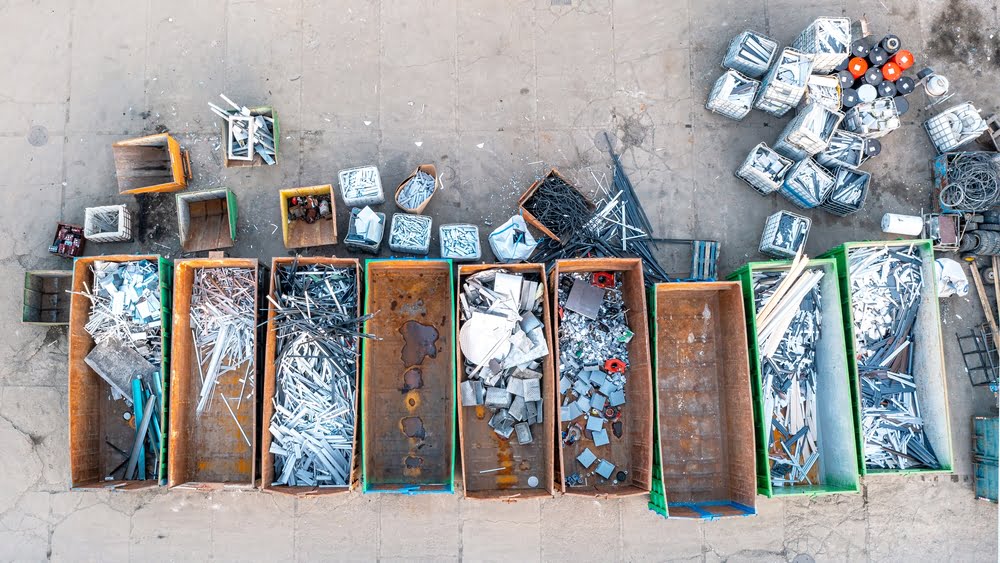
There are a lot of things that we need to do to help protect the planet. One of the most important things that you need to focus on is recycling.
We are doing a lot better of a job recycling than we used to. Back in 1960, only around 6% of waste was recycled. That figure increased to 32% in 2018.
However, there is still a lot of room for improvement. Recycling is essential for protecting the planet, but we can’t make the right progress without making certain changes. One thing that needs to be done to make recycling more common is to create products and structures from materials that can be recycled in the first place.
This includes recycling old metal. Keep reading to learn more.
What Metals Can Be Recycled?
Did you ever consider the myriad types of metals waiting to be recycled? Surprisingly, there are over 100 different metals that can be recycled, offering numerous opportunities to reduce waste and contribute to a greener environment. In this blog post, we’ll delve into some commonly recycled metals and explore the environmental benefits of metal recycling.
1. Aluminum
Topping the list of frequently recycled metals is aluminum. Its exceptional sustainability lies in its ability to be recycled endlessly without any loss of quality. Aluminum can be repurposed through various methods, from melting it down and casting it into new items to grinding it into powder for the creation of innovative products. Opting for aluminum recycling is a fantastic way to minimize waste and make a positive environmental impact.
2. Steel
Steel holds the title of one of the most recycled materials globally, with a staggering 98% recycling rate. Much like aluminum, steel can be recycled indefinitely without compromising its quality. There are different types of recyclable steel, such as hot rolled steel, often derived from scrap metal, and cold-rolled steel, processed from reprocessed steel into thin sheets. Steel recycling methods range from melting it down to manufacturing new steel to using it in the production of goods like automobiles and appliances.
3. Copper
Copper is another metal that finds its way into the recycling process. Renowned for its conductivity of heat and electricity, copper is commonly used in electrical wiring and batteries. Innovative technologies, such as emew, enable the recycling of copper from lithium-ion batteries. Whether through melting it down or repurposing the original material, copper recycling significantly reduces pollution and conserves natural resources.
4. Silver
Although often associated with ornamental goods like jewelry, silver is a precious metal that can be recycled. Recycled silver has diverse applications, from crafting coins to manufacturing cutlery. The recycling process involves melting down and refining silver, a task that can even be accomplished at home with the right tools.
5. Gold
Gold, a valuable metal with various applications, is also part of the recyclable metals list. Its resistance to tarnishing and corrosion makes gold a frequent candidate for recycling. The process involves melting down and refining gold, contributing to the sustainable use of this precious resource.
In Conclusion
The versatility of metal recycling methods plays a crucial role in environmental conservation and waste reduction. Beyond the metals mentioned, there’s a broad spectrum of recyclable materials, including copper, brass, bronze, steel, aluminum, silver, and gold. Embracing metal recycling actively contributes to the preservation of natural resources and a reduction in landfill waste.
How we put this together

Writing for Blue & Green Tomorrow since 2018, Cristian Garcia covers sustainable housing and green travel. His more than 40 articles examine practical residential efficiency, including ground-source and air-source heat pumps, preventive maintenance, and vetting eco-certified hotels.
- Published
- Sources
- Primary reporting
- Standards
- Corrections policy · About · Report an error
Keep moving along the spectrum
The same desk, then neighbouring desks along the brand spectrum.





