Talks ‘ongoing’ with Topshop boss Sir Philip Green over Bangladesh safety pledge
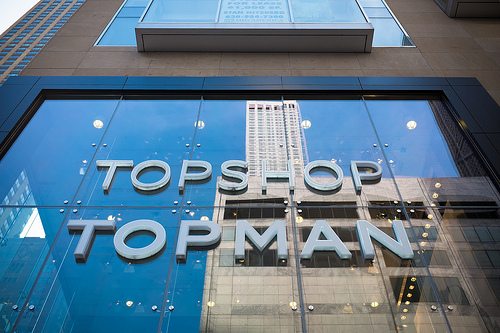
Sir Philip Green, CEO of Arcadia Group, which owns Topshop, Burton and BHS, is yet to sign an agreement to secure safe working conditions for workers in the Bangladesh supply chain.
The agreement, which was drawn up in May and is endorsed by the UN-led International Labour Organisation (ILO), commits signatories to “the goal of a safe and sustainable Bangladeshi Ready-Made Garment (RMG) industry in which no worker needs to fear fires, building collapses, or other accidents that could be prevented with reasonable health and safety measures.”
The agreement comes in the aftermath of the Rana Plaza disaster in April, where almost 1,200 workers lost their lives when the factory they were working in collapsed.

Click here to read The Guide to Fair Trade 2013
The safety pledge has received the backing of 82 companies to date, including Primark, Marks & Spencer, Abercrombie and Calvin Klein. It aims to increase transparency and improve working conditions.
Andy York from retail conglomerate N Brown, a member of the agreement’s steering committee, said, “Discussions are still ongoing with Acardia Group.”
He added that the reason Green’s organisation had not yet signed up was due to the amount of contribution that companies are expected to make.
A statement on the Arcadia Group’s website says Bangladesh represents “only a small percentage of our total supply chain. For example, as a point of information, we feel that it is important to point out Topshop’s purchases from Bangladesh are less than £25,000 to date this year.”
Meanwhile, a spokesperson from Sedex, a membership organisation committed to reducing risk within the supply chain, said, “What is important here is that we have a critical number of retailers that recognise the risks to their businesses and are in dialogue to address these problems in a collaborative way.”
Further reading:
Sedex launches film series in a bid to improve responsible sourcing
UK to help improve working conditions in Bangladesh
Pressure group brings Bangladesh tragedy survivors to Walmart AGM
Investors push retailers for better working conditions in the developing world
How we put this together
Blue & Green Tomorrow's editorial desk reports on ethical investment, clean energy, and sustainable living.
- Published
- Sources
- Primary reporting
- Standards
- Corrections policy · About · Report an error
Keep moving along the spectrum
The same desk, then neighbouring desks along the brand spectrum.





