Ban on pesticides may harm wildlife, beekeepers say
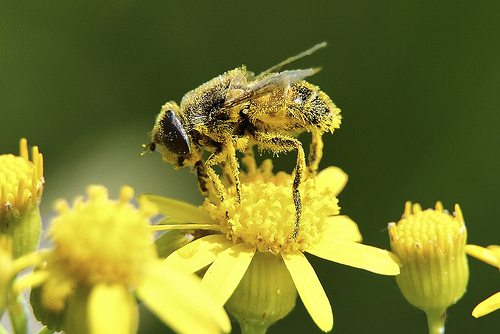
Ahead of the ban on neonicotinoids pesticides to protect bee population, the British Beekeepers Association (BBKA) has said that this could lead to an increase in alternative spray pesticides that might be harmful for bees and the wildlife.
The ban is set to begin on Sunday, after EU member states agreed in May that it was necessary to slow down the pollinators’ decline. The UK was one of the countries that opposed the ban.
Three pesticides of the neonicotinoids type – clothianidin, imidacloprid and thiamethoxam – were included in the ban, as well as fipronil, which belongs to the phenylpyrazole family.
However, the BBKA is worried that if farmers decide to turn to old spray-based pesticides, it might cause even more harm to bees and other insects, as well as make crop-eating pests more resistant.
BBKA chairman David Aston said, “There is the potential of an increased risk to bees and other pollinators from the older chemicals. We would like to see reassurance that risk assessments for these technologies have been revised.”
Meanwhile, the National Farmers’ Union (NFU) has complained about the lack of full environmental assessment on the effects of the ban.
NFU deputy president Meurig Raymond said, “It is alarming that we are about to see these restrictions come into force and there still hasn’t been an impact assessment done to determine whether or not there will be net environmental benefits, or what the scale of impacts on food and ornamentals production will actually be.
“Decision makers should conduct an impact assessment urgently and rethink the decision to restrict the use of what is an absolutely critical product for many farmers.”
Further reading:
Brief contact with pesticides can stress bees and cause colony failure
Brief contact with pesticides can stress bees and cause colony failure
Pesticides linked to biodiversity loss, as well as bee decline
EU member states vote to ban fourth pesticide linked to bee decline
EU agency links fourth pesticide with honeybee decline
How we put this together
Blue & Green Tomorrow's editorial desk reports on ethical investment, clean energy, and sustainable living.
- Published
- Sources
- Primary reporting
- Standards
- Corrections policy · About · Report an error
Keep moving along the spectrum
The same desk, then neighbouring desks along the brand spectrum.