Leading economies issued pathways to climate change targets
Climate experts have issued the UN with a masterplan that instructs how the world’s richest economies can prevent the most devastating impacts of climate change.
The roadmap, launched at a press conference by UN secretary general Ban Ki-moon on Tuesday, explains how countries can meet the internationally agreed target of limiting global warming to less than 2C from pre-industrial times.
Beyond the 2C limit, scientists fear that irreversible tipping points will be crossed.
The Pathways to Deep Decarbonisation report identifies three pillars – energy efficiency, low-carbon energy and fuel switching – as the keys to success, and warns that time is running out to act.
“I have made climate change a top priority because it affects all of us,” said the secretary general.
“I expect countries to adopt different combinations according to their needs, resources and priorities. But all countries need to embark on the same journey.
“We know that we are not on track, and time is not on our side.”
The comprehensive report, compiled by the Sustainable Development Solutions Network (SDSN), identifies the 15 biggest economies that between them produce 70% of greenhouse gas emissions – including the UK, US and China – and suggests decarbonisation pathways for each.
To have a decent chance of staying below the 2C threshold as populations rise, countries must reduce average per capita carbon emissions from 5.2 tonnes today to 1.6 tonnes by 2050, the report said.
In the UK, the authors expect coal to still play a big part in future energy generation, provided that carbon capture and storage technology is successfully rolled out.
A large expansion in wind and nuclear power is expected too, as energy-related carbon emissions fall 68% from 2010 levels by 2050.
The report also envisages that improved energy efficiency in the UK’s transport and building sectors, depending on the retrofitting of technologies, can make the difference.
However, for this to work, the report says the government must maintain the right environment for investment in the low-carbon transition by sticking to its carbon budgets and incentivising renewable energy. This comes as businesses and renewable trade bodies criticise policymakers for threatening investment.
Elsewhere, authors say China’s coal consumption could plummet by mid-century with gas and renewables taking over, while South Africa could generate as much as 80% of its electricity from solar energy.
It is hoped that the report will pave the way for success ahead of a UN climate summit hosted in New York in September, and crucial negotiations in Paris next year. With their depth of technical data, the pathways could make the talks less abstract.
Overall, the report is optimistic that the 2C target can still be achieved, but warns that to date, the targets discussed are far too conservative, and the necessary cooperation has been lacking.
Jeffrey Sachs, director of the SDSN and world-renowned economist, added that continuing “business as usual” would be “an absolutely reckless and unforgivable gamble” for the planet and its people.
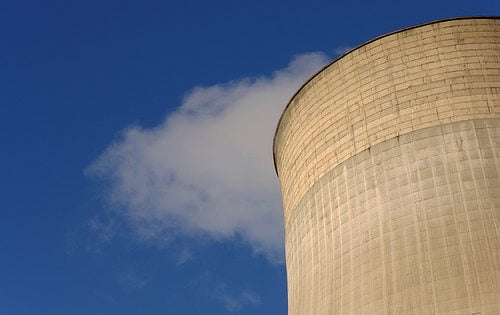
Photo: Matt Buck via Flickr

Further reading:
UN Green Climate Fund ready to mobilise finance
European Union reports record low greenhouse gas emissions
‘Time is running out’ to reduce carbon emissions, warns UN
IPCC report proves fossil fuel investors are ‘wrecking our future’
China: developed nations should take the lead on climate change
How we put this together
Blue & Green Tomorrow's editorial desk reports on ethical investment, clean energy, and sustainable living.
- Published
- Sources
- Primary reporting
- Standards
- Corrections policy · About · Report an error
Keep moving along the spectrum
The same desk, then neighbouring desks along the brand spectrum.





