Fashion social enterprises helping communities and the environment
With recent stories on labels found in clothing in the UK calling for help from forced labour and the Rana Plaza disaster, where more than 1,100 garment workers died in a factory collapse, consumers are thinking more about their fashion choices.
Consumers are considering the transparency in the fashion industry and are happy to invest in pieces with a good story behind them. Natasha Tucker co-owner of fashion company, rêve en vert, explained in a recent live chat on the Guardian, “We find that that the customers we have all tend to be looking for something that is mainly different from high street, fast fashion brands.
“They tend to have had enough of trend based fashion and are looking to buy long lasting and investment pieces. They appreciate stories behind their pieces and the fact that something is sustainable is often an added value.”
The ethical consumer market is growing with findings from the Ethical Consumer magazine in March showing the sustainable retail market is now worth £54 billion in the UK.
Social enterprises aim to improve social and environmental problems and invest in communities around them. This sector has seen impressive growth and is growing faster than the wider economy. Governments and organisations have recently launched a campaign to encourage the use of social enterprises through an online directory.
There are many options for the ethically conscious, with many companies now offering toys, beauty products and clothes made in sustainable ways, and there are many great examples in the sustainable fashion industry.
Some great examples of ethical retailers include some who supply materials from factories powered by renewable energy, such as Rapanui. Creating a circular business, with products given a ‘second life’ and not taken to landfill, is important for ethical retailer, Quagga.
Some UK fashion enterprises aim to help people in the community through helping older people and younger people back into work.
Sweet Cavanagh is a London based social enterprise that makes ethical, handmade costume jewellery. The enterprise employs and supports women who are recovering from addiction or eating disorders. They say, “We act as a peer led aftercare service that gives women a safe environment to build their self-esteem and develop lifelong skills.” Florence Norman founded the company and it is owned by a charity so money is invested into helping those in the community.
Fashion Enter is a UK social enterprise who provide fashion and textile apprenticeships around the country and help get young people into employment. Jenny Holloway is the founder and is dedicated to helping people get a way into the industry who may not have had the chance before.
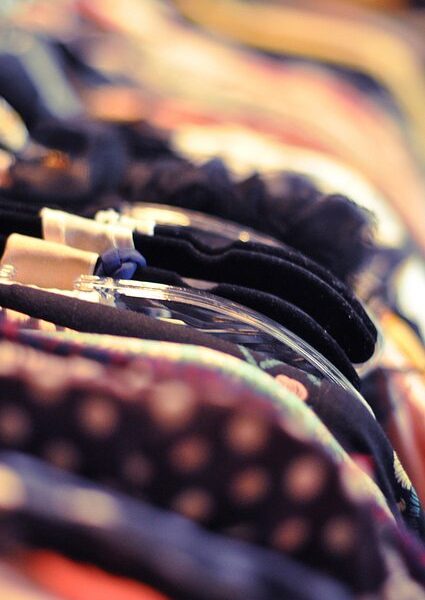
Photo: Maegan Tintari via Flickr
Take our 2014 reader survey and you could win an iPad, Kindle or donation to a charity of your choice.
Further reading:
Primark investigating ‘SOS’ note from Chinese prison worker found in trousers
Bangladesh tragedy ‘could have been avoided’
Ethical retailer of the week: Quagga
How we put this together
Blue & Green Tomorrow's editorial desk reports on ethical investment, clean energy, and sustainable living.
- Published
- Last updated
- Sources
- Primary reporting
- Standards
- Corrections policy · About · Report an error
Keep moving along the spectrum
The same desk, then neighbouring desks along the brand spectrum.