The poets of the First World War: Siegfried Sassoon
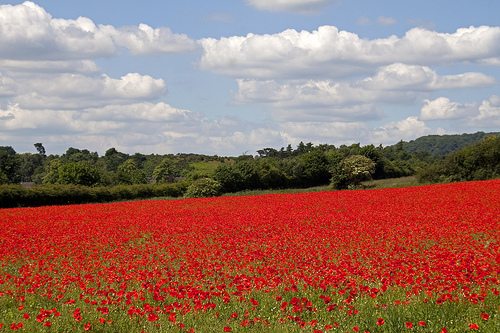
This week marks the centenary of the beginning of the First World War. It is a week in which many will think of the horrors endured by so many in that first industrialised conflict, and of the millions who lost their lives. Few can reveal the truth of the war better than the war poets.
To commemorate the anniversary, Blue & Green Tomorrow will this week review some of the finest works of the soldier poets.
Wilfred Owen may be considered the most skilful of the war poets, but historians acknowledge that he was greatly influenced by his friend Siegfried Sassoon.
Though recognised for his bravery in battle – it is claimed he once single-handedly captured a German trench – with his poems Sassoon attacked his leaders and parodied patriotism.
In 1917, while on leave from the front, Sassoon refused to return to the trenches and penned a letter to his commanding officer. His “soldier’s declaration”, which was later read in parliament, made him a hero for soldiers who wished only for an end to the war.
Sassoon was spared a court-martial, but sent to a mental hospital in Edinburgh. There he befriended Owen. Both men returned to the front yet only Sassoon came back, albeit injured, after being shot by a fellow British soldier. Sassoon died in 1967, aged 80.
His poem How to Die, written in 1918, dismantles the romanticism of war.
“Dark clouds are smouldering into red
While down the craters morning burns.
The dying soldier shifts his head
To watch the glory that returns;
He lifts his fingers toward the skies
Where holy brightness breaks in flame;
Radiance reflected in his eyes,
And on his lips a whispered name.
“You’d think, to hear some people talk,
That lads go West with sobs and curses,
And sullen faces white as chalk,
Hankering for wreaths and tombs and hearses.
But they’ve been taught the way to do it
Like Christian soldiers; not with haste
And shuddering groans; but passing through it
With due regard for decent taste.”
Take our 2014 reader survey and you could win an iPad, Kindle or donation to a charity of your choice.

Further reading:
The poets of the First World War: Wilfred Owen
Lights Out event marks centenary of the outbreak of World War One
D-day 70th anniversary: world leaders gather in Normandy
On this day in 1945: US drops nuclear bomb on Hiroshima
How we put this together
Blue & Green Tomorrow's editorial desk reports on ethical investment, clean energy, and sustainable living.
- Published
- Sources
- Primary reporting
- Standards
- Corrections policy · About · Report an error
Keep moving along the spectrum
The same desk, then neighbouring desks along the brand spectrum.





