Fewer solar installations since August subsidy cut

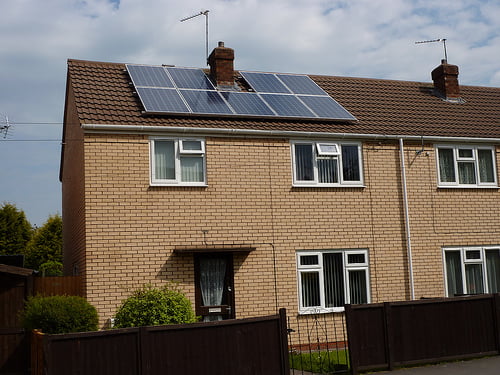
Figures released by the Department of Energy and Climate Change (DECC) show that the UK has witnessed a striking decrease in the number of domestic solar installations, following cuts to the feed-in tariff (FiT) in August.
The tariff was reduced by 5p to 16p per kilowatt (kW) hour at the beginning of last month, and the solar industry was keen to reiterate the attractiveness of investing in the technology, claiming that despite the lower rate of subsidy, a large 4kW system will have paid itself off in just 10 years.
Paul Barwell, CEO of the Solar Trade Association, the organisation that came up with this forecast, called solar a “no-brainer investment”.
But the DECC data into installations since January shows three notable spikes – each occurring on the three occasions when the FiT rate was slashed, with the most recent coming in the days prior to August 1, when the latest reduction came into effect.
 Speaking to The Guardian today, Barwell said, “The returns are certainly still there [despite the tariff cuts] because the costs have continued to come down.
“While a 4kW system has dropped in cost from around £9,000 in April to £7,500 now, tariff drops are a problem for consumers because that’s what they see.
“August is generally a poor installation month anyway because people are away from their homes.”
A record £6.9 billion was spent on new solar power projects worldwide in 2011, according to Bloomberg New Energy Finance, showing that the technology is far from flagging.
Indeed, Barwell added that a similar “cliff-edge drop” was unlikely when the FiT is reduced by 0.5p in November.
Further reading:
Industry reiterates solar’s attractiveness as FiT cuts are enforced
The feed-in tariff scheme unravelled
Bright future predicted for solar as government learns its lesson
How we put this together

- Published
- Sources
- Primary reporting
- Standards
- About
Keep moving along the spectrum
The same desk, then neighbouring desks along the brand spectrum.





