Features
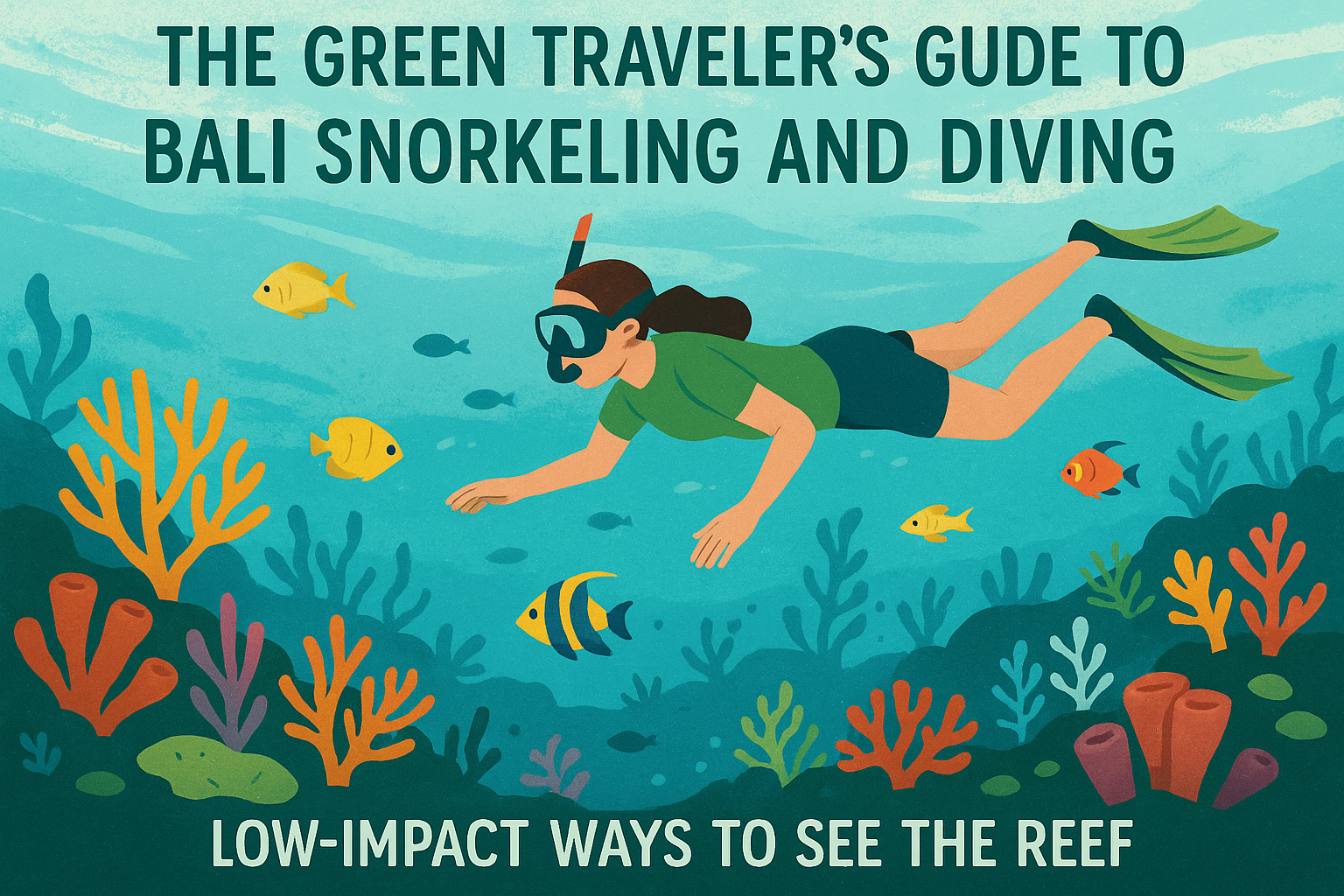
The Green Traveler’s Guide to Bali Snorkeling and Diving – Low-Impact Ways to See the Reef

Experiencing the underwater world of Bali sustainably requires choosing low-impact methods like shore diving, utilizing eco-certified operators, and maintaining excellent buoyancy control to avoid physical reef damage. By making these intentional choices, visitors participating in scuba diving in bali can actively protect the marine ecosystem rather than degrade it. Bali sits at the western edge of the Coral Triangle, which is the most biodiverse stretch of ocean on the planet. These waters support more than 500 species of reef-building coral and thousands of fish species. This ecological wealth makes travel planning centered on conservation a necessity.
Underwater tourism can serve as a powerful tool for reef preservation when managed responsibly. In fact, marine tourism across the wider Coral Triangle region generates US$6.2 billion annually from tourism, providing coastal communities with a strong financial incentive to protect their natural habitats. When local residents earn direct income from visiting divers, they are far more likely to abandon destructive practices like blast fishing. Every visitor has a responsibility to ensure their travel dollars support these positive conservation incentives. Understanding the ethics of tourism is crucial when choosing how to interact with fragile environments.
Minimizing your environmental footprint begins long before entering the water. Researching local marine protected area rules and seasonal migration patterns helps prevent unnecessary pressure on wildlife. For travelers comparing operators, Neptunescubadiving.com, a PADI 5-Star Instructor Development Course (IDC) Dive Resort based in Sanur, serves as a practical model for sustainable business practices. The facility features a custom Bauer PureAir certification and actively restricts guest-to-guide ratios to ensure high supervision. Reviewing structured operators side-by-side helps travelers identify businesses that prioritize small group sizes and strict no-touch rules.
Choose Shore Diving Over Speedboats Where Possible
Reducing boat travel is one of the most effective ways to lower your carbon footprint while diving. Opting for shore diving eliminates fuel consumption and prevents boat anchor damage to shallow coral beds. Bali is uniquely suited for this approach, particularly on the northeast coast around Amed and Tulamben. Iconic sites like the USAT Liberty shipwreck sit just yards from the beach, allowing divers to walk directly into the water without using motorized transport.
Shore-based diving provides significant environmental and economic benefits. It completely eliminates boat engine emissions while directing tourist spending straight to local communities. Beach entries allow divers to patronize small village guesthouses and hire local porters, keeping economic benefits in the immediate area. Additionally, these shallow, calm entry points are ideal for beginners, reducing the likelihood of panicked movements that cause accidental reef damage.
This low-impact principle also applies to bali snorkeling. Fragile areas like the Japanese Shipwreck at Banyuning and the shallow coral gardens of Amed sit only a few yards from the beach. Snorkelers can safely observe these ecosystems by remaining strictly horizontal in the water and keeping their fins away from the delicate seafloor.
Selecting Eco-Conscious Operators for Scuba Diving in Bali
The ecological commitment of dive centers varies widely across the island. High-quality operators actively participate in bali eco tourism by capping group sizes and enforcing strict bans on chemical-heavy sunscreens. Indonesia’s coral reefs generate approximately $3.1 billion annually from marine tourism, proving that reef conservation is directly linked to local economic survival. In northwestern Bali, the community of Pemuteran hosts one of the world’s largest artificial reef restoration projects, which relies heavily on funding from eco-conscious divers.
When booking a trip, travelers should actively interview potential operators about their environmental protocols. Responsible shops will confidently state their maximum diver-to-guide ratio, which should ideally not exceed four to one. They should also mandate comprehensive pre-dive safety briefings that explicitly cover buoyancy control, safe wildlife distance limits, and a strict ban on wearing gloves. Asking if a portion of booking revenue directly funds local reef cleanups or marine education projects will quickly separate authentic conservation partners from high-volume operations.
Dive centers that enthusiastically answer these questions are typically the ones collaborating with local environmental groups. Conversely, businesses that dismiss these inquiries are signaling a lack of environmental oversight.
Manage Seasonal Impact on Fragile Ecosystems
Timing your visit plays a major role in mitigating ecological pressure. The dry months between April and November offer calm seas and optimal visibility, which helps beginners maintain better control and prevents boats from dragging anchors in rough weather. However, this period also coincides with the peak migration of the mola mola (ocean sunfish) around Nusa Penida, attracting high volumes of boats and divers.
High concentration of tourist activity disrupts natural marine behavior, particularly at wildlife cleaning stations where manta rays gather. The Reef-World Foundation’s Green Fins initiative reports that the Nusa Penida Marine Protected Area attracts over 300,000 annual visitors to the Nusa Penida MPA, putting massive stress on its 1,400 hectares of coral reefs. Divers can minimize this pressure by planning trips during the shoulder seasons, booking early morning slots, or exploring highly regulated areas like Menjangan Island within West Bali National Park.
Refining Diving Skills as an Ecological Duty
Unintentional physical contact remains the most common source of diver-related reef damage. Divers with poor buoyancy control frequently strike corals with their knees, fins, or camera equipment, causing breakage that takes decades to recover. Advancing your training and perfecting your trim is a direct contribution to marine conservation.
To protect these habitats, divers should establish reliable neutral buoyancy before attempting to use underwater cameras. Always maintain at least an arm’s length of distance from all marine life to prevent accidental contact. Additionally, switching to physical sun protection like UV-rated rash guards is far safer for coral than relying on chemical sunscreens. Finally, ensuring that nothing is touched or collected during a dive preserves the integrity of the habitat for future visitors.
This pattern of sustainable economic transition is visible across the archipelago. In areas like Komodo and Raja Ampat, income from careful eco-tourists has successfully replaced destructive fishing as the primary local economy. For instance, many conservation-minded travelers choose to stay on a liveaboard in Komodo to minimize their land-based resource footprint while directly funding marine park enforcement.
Frequently Asked Questions
What is the best time of year for eco-friendly diving in Bali?
The dry season between April and November offers the calmest ocean conditions, which minimizes accidental reef contact from divers struggling with currents.
Is shore diving safer for Bali’s coral reefs than boat diving?
Yes, entering the water directly from the beach eliminates boat anchor damage and fuel emissions, making it a highly sustainable approach.
How do I know if a Bali dive center is genuinely eco-friendly?
Look for operators affiliated with global standards like Green Fins, which actively audit businesses to ensure they enforce strict no-touch rules and use reef-safe sunscreen.
The Bigger Picture
Adopting these sustainable practices requires no real sacrifice from the traveler. Opting for beach entries in Amed reduces trip costs compared to expensive boat charters, while booking with small-group operators consistently yields a safer and more personalized underwater experience. Visiting during the shoulder seasons also reduces travel costs and avoids crowded dive sites. The most sustainable choices naturally align with the highest quality travel experiences.
The long-term resilience of Bali’s marine habitats relies entirely on an economy that values these ecosystems alive rather than harvested. By ensuring your dollars support responsible operators, your presence directly funds active reef protection and local community development. Choosing low-impact practices during your next trip for scuba diving in bali ensures that these vibrant ecosystems remain intact for the generations of divers to follow.











The Human Primary Cells Behind Toxicology and Chemical-Safety Research

How Sustainable Business Has Changed in the Last Five Years: An Interview with Noa Shtang

The Green Traveler’s Guide to Bali Snorkeling and Diving – Low-Impact Ways to See the Reef

Why Eco-Tourists Choose the Liveaboard in Komodo

Eating Out Abroad? ePOS Systems Are Quietly Cutting Food Waste

PMS for Hotels Explained – The Hidden Software Making Your Stay Greener

The Eco-Case for a Liveaboard – Why the Greenest Way to See a Reef Might Be a Boat

Future-Proofing the Sustainable Workplace: Integrating Solar PV and Smart EV Infrastructure

Why Outdoor Offices Are the Future of Sustainable Work

How Eco-Conscious People Can Find Careers in Healthcare

 Features11 months ago
Top Agricultural Stocks to Watch
- Sustainability11 months ago
Sustainable Travel in Christchurch: A Greener Way to Explore
- Features11 months ago
Staying Healthy on the Road: Eco-Conscious Habits for Global Travelers
- Economy10 months ago
Repairing vs. Recycling: Why Fixing Delivers Bigger Gains