Environment
Sustainable Commuting in Loveland: Balancing a Lower Carbon Footprint With Road Safety

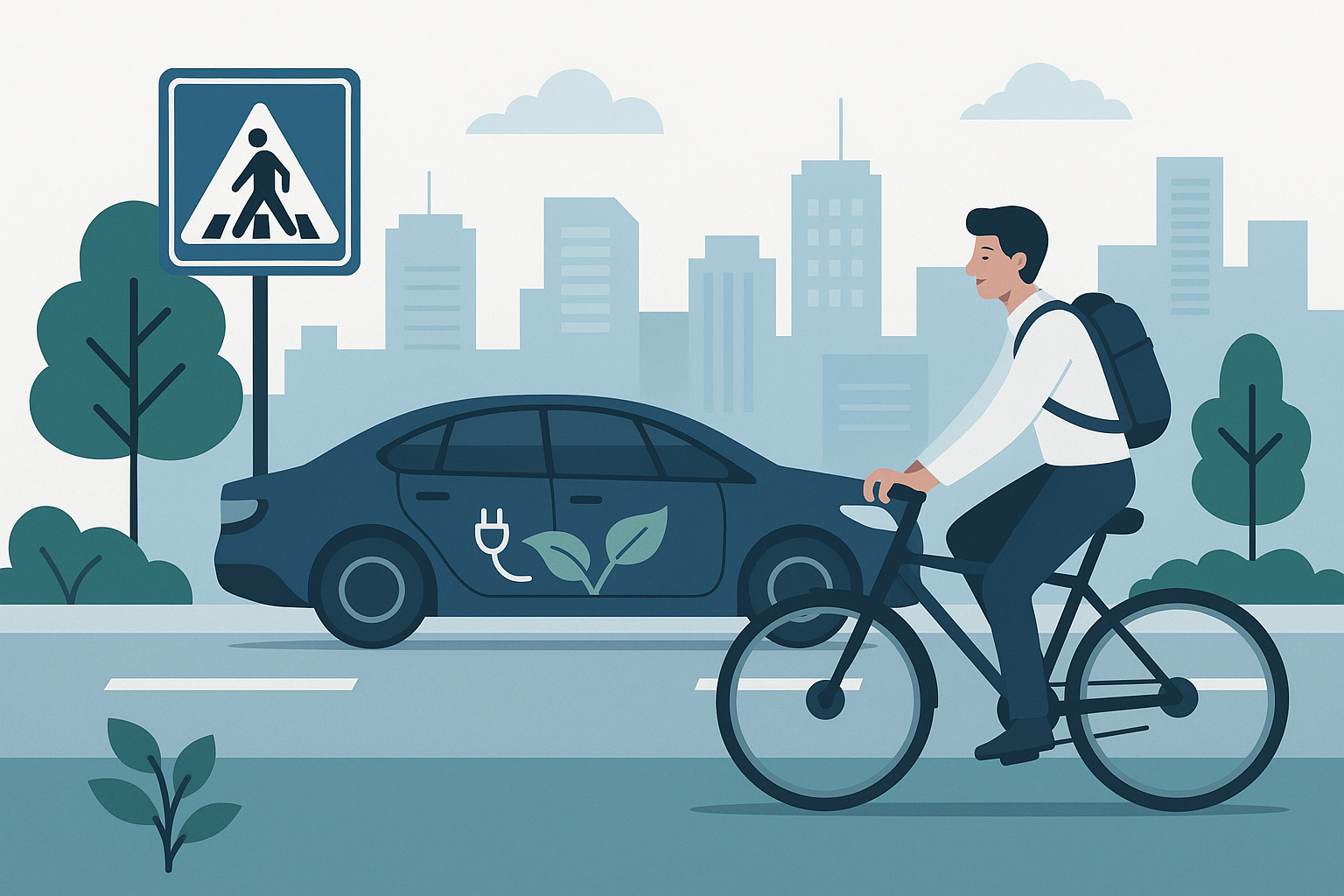
Sustainable commuting in Loveland means replacing solo car trips with walking, cycling or shared transport where the route and your schedule allow. A lower-carbon commute also needs a workable safety plan, including attention to road crossings and the journey home after dark.
But choosing a greener way to get around also means sharing the road differently. Understanding those trade-offs is part of making an informed, responsible choice.
Why Sustainable Commuting Is Gaining Ground in Loveland
Loveland’s paved trails give residents a practical starting point for bike commuting. The environmental reason is clear: transportation accounted for 28% of U.S. greenhouse gas emissions in 2022, the largest sector share, according to the U.S. Environmental Protection Agency (EPA) inventory published in 2024.
Common sustainable commuting choices in the area include the options below. Consider which fits the whole journey, including the distance from a trail or bus stop to your workplace.
- Cycling and e-bikes, using the city’s 31-mile paved Recreation Trail System and connecting paths
- Walking or micro-mobility options for shorter trips within town
- Carpooling for longer commutes to Fort Collins or Denver
- Public transit, including regional bus connections
- Electric and hybrid vehicles where driving remains necessary
For a northbound bike commute, the City of Loveland lists Long View Trail from West 57th Street and North Taft Avenue to Trilby Road in Fort Collins among its regional connections. As of September 2026, the city lists paved-trail hours as 6 a.m. to 10:30 p.m. on the same page. Check the street connections at both ends against your shift times before treating that trail as your everyday route.
The Safety Trade-Offs Worth Understanding
Cycling safety deserves attention alongside the emissions savings. The National Highway Traffic Safety Administration (NHTSA) recommends lower-traffic routes and bicycle lights when visibility is poor; its guidance also asks drivers to watch for cyclists before turning at intersections and driveways.
- Visibility matters more for cyclists and pedestrians. NHTSA recommends reflective gear, plus a white front light and red rear light for cycling at night or in poor visibility.
- EVs operate more quietly than gas-powered cars at low speeds. NHTSA’s minimum-sound rule for hybrid and electric vehicles addresses that risk by requiring alert sounds on covered vehicles.
- Shared infrastructure requires shared awareness. On your route plan, pay attention to the places where a trail or bike lane meets turning traffic.
- Carpooling and transit still carry the everyday risks of any vehicle trip. Choosing a shared ride doesn’t eliminate the possibility of a collision caused by another driver.
None of this is a reason to avoid sustainable transportation choices. It’s simply part of making them responsibly. Solar-panel decisions need room for installation and maintenance; for an EV commute, ask where charging will fit into your working week.
Building More Resilient Habits Around Transportation
A genuinely sustainable approach to transportation accounts for more than emissions. It also considers whether you can keep making the journey when a bike needs repairs or your usual ride falls through. That means making room for these tasks:
- Maintaining bikes, e-bikes, and vehicles so they perform safely over time
- Planning routes that use protected trails or bike lanes where available
- Staying informed about local infrastructure projects that affect commuting safety
- Understanding what to do if an accident does occur, regardless of how it happened
That last point matters because even well-planned, low-impact commuting choices don’t eliminate the possibility of a crash. A route plan cannot control another driver’s actions. Being prepared includes knowing who to contact afterward and where to seek advice about documenting the collision.
For Loveland residents dealing with a collision, the Loveland auto accident lawyers at Levine Law describe services including crash investigation and communication with insurance adjusters. Whether legal representation is useful depends on the circumstances of the collision and any disputed claim. At the same time, the more immediate concerns of recovery take priority.
A More Sustainable Commute Is Also a More Thoughtful One
A more sustainable commute needs to fit your actual departure and return times. Before committing to bike commuting, check where the trail ends and how you would cover the remaining streets after work.
Whether that means swapping a short car trip for a bike ride, joining a carpool, or investing in an EV, make the backup plan specific. Agree on a carpool pickup point and departure time before you need them. A greener commute is easier to repeat when a late shift doesn’t leave you improvising the journey home.











Sustainable Commuting in Loveland: Balancing a Lower Carbon Footprint With Road Safety

What Separates a Career Shaping Environmental Policy From One Shaping Corporate Sustainability

The Human Primary Cells Behind Toxicology and Chemical-Safety Research

How Sustainable Business Has Changed in the Last Five Years: An Interview with Noa Shtang

The Green Traveler’s Guide to Bali Snorkeling and Diving – Low-Impact Ways to See the Reef

Why Eco-Tourists Choose the Liveaboard in Komodo

Eating Out Abroad? ePOS Systems Are Quietly Cutting Food Waste

PMS for Hotels Explained – The Hidden Software Making Your Stay Greener

The Eco-Case for a Liveaboard – Why the Greenest Way to See a Reef Might Be a Boat

Future-Proofing the Sustainable Workplace: Integrating Solar PV and Smart EV Infrastructure

 Features11 months ago
Top Agricultural Stocks to Watch
- Sustainability12 months ago
Sustainable Travel in Christchurch: A Greener Way to Explore
- Features11 months ago
Staying Healthy on the Road: Eco-Conscious Habits for Global Travelers
- Economy10 months ago
Repairing vs. Recycling: Why Fixing Delivers Bigger Gains