Study: plastic pollution not limited to oceans

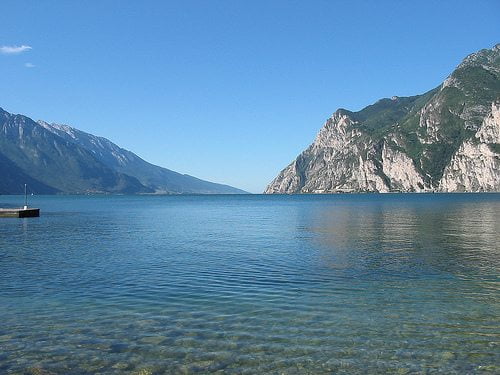
New research has suggested that lakes, as well as oceans, are at risk of plastic pollution, with many subalpine lakes in line to be affected.
A study is based on Italy’s Lake Garda, and was first reported in the journal Current Biology. Researchers found that the number of microplastic particles in sediment samples from Lake Garda were similar to those found in studies of marine beach sediments.
Furthermore, the size ranges of the microplastics found suggest that they might find their way into organisms living in the lake and as a result find their way into the food web.
Christian Laforsch, of the University of Bayreuth in Germany, said, “Next to mechanical impairments of swallowed plastics mistaken as food, many plastic-associated chemicals have been shown to be carcinogenic, endocrine-disrupting, or acutely toxic.
“Moreover, the polymers can absorb toxic hydrophobic organic pollutants and transport these compounds to otherwise less polluted habitats. Along this line, plastic debris can act as vector for alien species and diseases.”
The issue is being caused by human use of plastic materials. The main source of waste entering Lake Garda, apart from water sports, and tourist and fishing boats, was found to be discarded plastic products.
“The mere existence of microplastic particles in a subalpine headwater suggests an even higher relevance of plastic particles in lowland waters,” added Laforsch. The researchers recommend further studies and standardised surveillance guidelines to control for microplastic contamination in freshwater ecosystems.
Such guidelines are already in place for marine systems where more research has been conducted. Marine scientists from the International Programme on the State of the Ocean (IPSO) recently said the declining health of oceans was of “gravest concern” to life on Earth.
Further reading:
Declining health of oceans of ‘gravest concern’ to life on Earth
Study: increasing acidification threatening ocean life
Marine conservation could be worth ‘billions’ to UK economy
Scientists disappointed with government’s protection of seas
How we put this together

- Published
- Sources
- Primary reporting
- Standards
- About
Keep moving along the spectrum
The same desk, then neighbouring desks along the brand spectrum.





