Threat of climate catastrophes warrants early warning system

The threat of abrupt climate change disasters, such as the poles melting or mass extinctions, is serious enough to warrant the development of an early warning system, a panel of scientists has concluded.
In a report by the US National Research Council, researchers warn that if certain “tipping points” are crossed, climate change could have sudden impacts that occur too quickly for humanity to adapt in an orderly manner.
“Climate change is real, it is happening now, and we need to deal with it”, said James White of the University of Colorado, a member of the panel.
“Step number one is to recognise the points where we stand on the threshold of abrupt impacts.”
Assessing a number of possible outcomes, the scientists did rule that most were unlikely, at least in the immediate future. Among such improbable scenarios is the shutdown of heat circulation in the Atlantic, or the release of a “belch” of methane from the oceans that would cause temperatures to soar.
However, the panel did find that some scenarios were realistic enough, and potentially devastating enough, to warrant concern. These included rapid climate shifts that would threaten agriculture or sudden drops in ocean oxygen levels.
The report finds that while little to nothing has been done to prepare for them, such events could possibly trigger devastating social or environmental collapse. This could cause loss of plant or animal life so massive that it would represent only the sixth mass extinction in the history of the Earth, it warns.
In particular, the scientists claim, many of the world’s coral reefs – a vital component of an ecosystem that supports millions of people – already appear to be doomed.
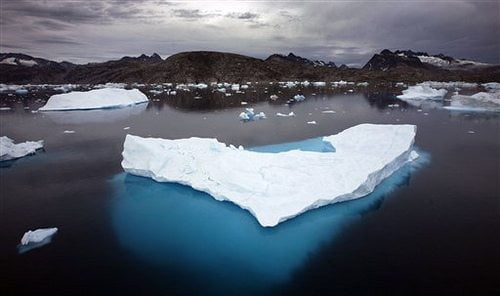
The panel even argued that some disasters were already occurring, pointing to the decline of summer ice in the Arctic as an example.
“Knowledge is always good. It is always better to have more knowledge about what is going on”, White added.
“But we are seeing declines in funding of monitoring of climate, just at the time when we need it most.”
Further reading:
Mixed stories in latest update of threatened species
COP19: we have to ‘adapt or perish’, say African leaders at climate talks
Up to 5 billion people could experience extreme climates by 2050
Climate extremes will enhance poverty in vulnerable areas
Coastal flooding could cost vulnerable cities more than $1tn
How we put this together

- Published
- Sources
- Primary reporting
- Standards
- About
Keep moving along the spectrum
The same desk, then neighbouring desks along the brand spectrum.





