Government urged to strengthen pollinator strategy to protect bees

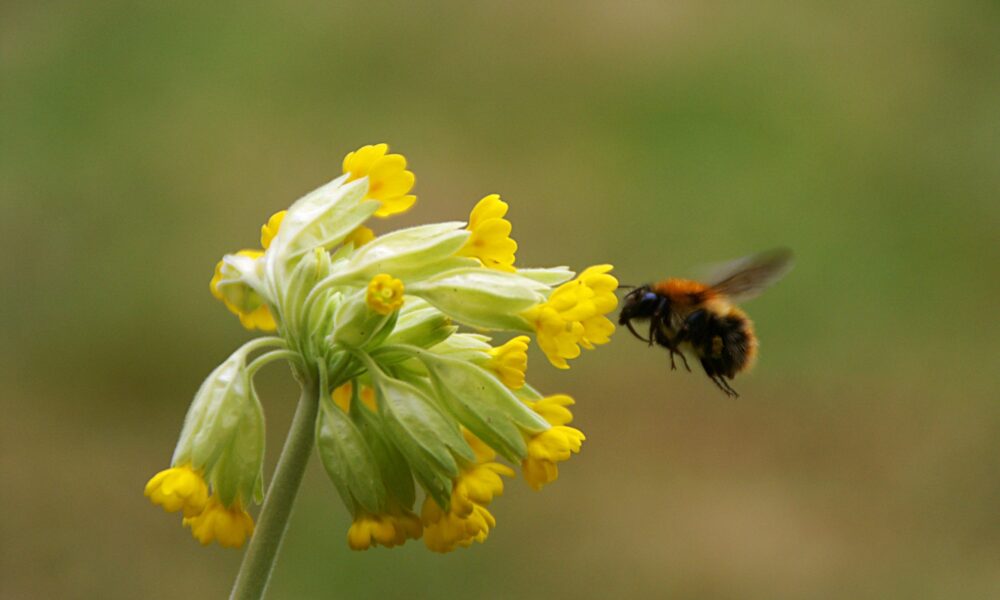
The government has opened a consultation over the UK’s national pollinators strategy (NPS), aimed at protecting bees and another insects that are essential to agriculture – though campaigners say more action is needed in certain areas.
The government decided to launch a national plan after weeks of campaigning by various environmental groups last year, after it was found that many types of pollinators were declining because of pesticides and habitat loss.
It launched an open consultation that will run until May on how to implement measures to safeguard bees. However, campaigners have argued that the draft policy proposed by the government is lacking in some areas, such as intensive farming and land use.
They also noted that the funding of the initiative is unclear and that more emphasis should be placed on pesticide use, as these have been proven to be contributing to the bee decline.
Friends of the Earth nature campaigner Paul de Zylva said, “The government rightly recognises the need for an action plan to safeguard Britain’s vital bees – but these proposals need to be considerably strengthened if we’re to get Britain buzzing again.
“Our bees are facing an unprecedented crisis. Ministers must ensure all the threats are tackled, especially those from intensive farming and pesticides.”
In December, a ban on three neonicotinoid pesticides officially came into force in the European Union, after the majority of member states – not including the UK – voted for it. Scientists have linked the chemicals to problems in bees’ food gathering and dysfunctions in their nervous systems.
Further reading:
Study: presence of bees ‘underestimated’ and improves value of crops
Bee Coalition: EU pesticide ban must be fully enforced to save pollinators
EU ban on bee-harmful pesticides to begin in December
Banned pesticide interferes with bees’ ability to gather food
Chemical giants did ‘furious lobbying against EU measures to save bees’
How we put this together

- Published
- Sources
- Primary reporting
- Standards
- About
Keep moving along the spectrum
The same desk, then neighbouring desks along the brand spectrum.





