‘Deteriorating operating environment’ in Nigeria leads to Shell profit plummet
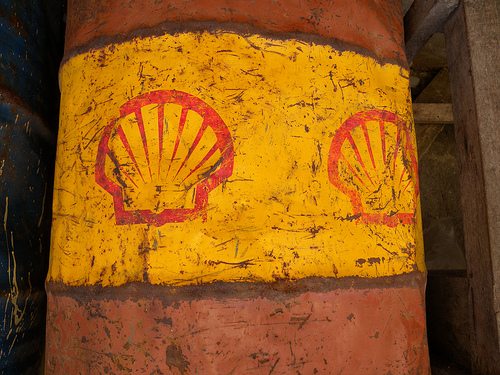
Shell’s profits in the second quarter of 2013 were 21% less than in the same period as last year, because of difficulties in Nigeria and tax issues relating to a weak Australian dollar.
The oil giant made a $4.6 billion surplus between April and June, compared to £6 billion in 2012. It said that this was because of the “combined negative impact of $0.7 billion after tax related to the impact of the weakening Australian dollar on a deferred tax liability and the impact of the deteriorating operating environment in Nigeria.”
Another reason for its decreasing profits was higher costs for operations on sites and exploration charges.
Peter Voser, Shell CEO said, “Higher costs, exploration charges, adverse currency exchange rate effects and challenges in Nigeria have hit our bottom line. These results were undermined by a number of factors – but they were clearly disappointing for Shell.”
Voser said that oil theft and sabotages to gas supplies in Nigeria were causing environmental damage and could cost the Nigerian government $12 billion in annual lost revenues.
“We will play our part, but these are problems Shell cannot solve alone”, Voser added.
Shell’s presence in Nigeria dates back to 1937, but the company only started to export oil out of the country in 1958. Since then, a number of controversies about human rights violations and environmental damage have been brought to light.
The Ogoni people, who live close to the Niger Delta, have long protested against Shell’s profits and the potential damage caused by oil spills. Rebels have often been accused of being responsible for sabotages but both Amnesty International and Friends of the Earth contested such claims.
Court papers from 2011 say that Shell has been paying the military since the early-90s to suppress peaceful protests organised by locals against oil pollution.
Another two oil giants, BP and ExxonMobil, also reported lower earnings for 2013 compared to last year.
Further reading:
Ben van Beurden to replace Peter Voser as Shell chief executive
Russia and Shell’s dangerous liaison threatens the Arctic region
Oil companies to blame for 55 North Sea leaks, says Greenpeace
Oil companies are putting investors’ money at risk
Waitrose puts Shell partnership on hold after Greenpeace campaign
How we put this together
Blue & Green Tomorrow's editorial desk reports on ethical investment, clean energy, and sustainable living.
- Published
- Sources
- Primary reporting
- Standards
- Corrections policy · About · Report an error
Keep moving along the spectrum
The same desk, then neighbouring desks along the brand spectrum.