E.ON’s profits fall 20% amid German renewables drive
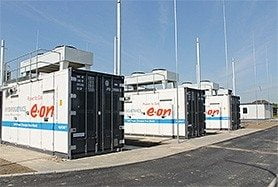
E.ON, Germany’s biggest utility, has revealed a profit fall of 20% for the first half of 2014, the decline has been linked to the growing renewables market. Germany recently set a new world record for renewable energy generation.
The company’s underlying net income, which is used to calculate dividends, was €1.53 billion (£1.23bn) from January to June, down from €1.91 billion (£1.53bn) for the same period last year. Despite the fall, E.ON’s full year forecast remains unchanged with an expected underlying net income to be between €1.5 billion (£1.2bn) and €1.9 billion (£1.52bn).
In an interim report, Johannes Teyseen, CEO of E.ON, said, “As for the situation on Europe’s generation market, wholesale power prices continues to fall in the first half of this year, although the trend was somewhat less pronounced in the second quarter. The reform of the Renewables Energy Law at least demonstrated that the German federal government has recognised the problems of implementing the transformation of the country’s energy system.
“Beyond this reform, the next step is to work systematically toward a better market design. Efficient conventional generating capacity that provides reliable backup for the intermittent output of renewables must receive a level of compensation that enables this capacity to continue to operate.”
The measure suggested by Teyseen is similar to the UK’s energy capacity market, which was recently approved by the EU. The initiative provides a regular payment to reliable forms of energy, in return for generating capacity when the system is tight.
Earlier this week it was revealed that Germany’s renewable energy sector now provides 31% of the nation’s electricity, producing 71 terawatts an hour. In order to take advantage of this growing market, E.ON has invested around €9.5 billion (£7.6bn) in renewables since 2007 and installed around 4.8 gigawatts of wind and solar capacity worldwide.
Photo: E.ON
Take our 2014 reader survey and you could win an iPad, Kindle or donation to a charity of your choice.

Further reading:
German renewable energy sector sets new world record
More support for Germany’s renewable energy sector as new law gets go-ahead
Five renewable energy lessons from Germany’s Energiewende
Green energy leaders recognised at British Renewable Energy Awards
Greg Barker: UK renewables ‘extremely attractive’ for investors
How we put this together
Blue & Green Tomorrow's editorial desk reports on ethical investment, clean energy, and sustainable living.
- Published
- Sources
- Primary reporting
- Standards
- Corrections policy · About · Report an error
Keep moving along the spectrum
The same desk, then neighbouring desks along the brand spectrum.





