Book review: When the Rivers Run Dry – Fred Pearce (2007)

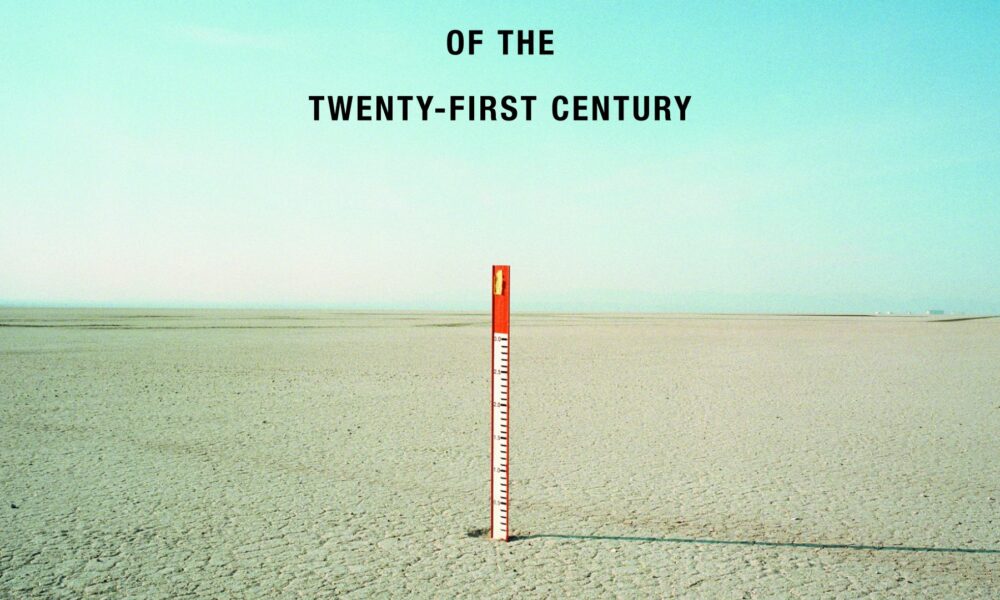
When the Rivers Run Dry: Water – The Defining Crisis of the Twenty-first Century follows science correspondent Fred Peace as he travels to more than 30 countries to examine the current state of crucial water supplies.
The book argues that the world is running out of water, even in countries where the resource may seem abundant, such as the UK where reservoirs are emptying and droughts are commonplace in the summer. Further afield the situation is even worse, with rivers being exhausted by human need and conflict emerging as a result of lack of water.
Water is described as the ‘new oil’ but the author points out that whilst we can survive without oil, we can’t without water. Pearce effectively connects and draws together scientific, economic and historic dimensions of the water crisis in a way that makes the situation and consequences understandable to everyone.
When the Rivers Run Dry gives a unique first hand perspective of the crisis and looks at a wide range of issue linked to the subject, from desalination to toxic chemicals entering water supplies.
Whilst looking at a shocking and bleak crisis we face as a world, the book does offer solutions and a light at the end of the tunnel. For instance it recommend marking products with their ‘water content’. Pearce argues that if we revolutionise the way we treat water and take responsibility for how the resource is used, then we can get out of the water crisis.

How we put this together

- Published
- Last updated
- Sources
- Primary reporting
- Standards
- About
Keep moving along the spectrum
The same desk, then neighbouring desks along the brand spectrum.





