Looking ahead to Fairtrade Fortnight 2014
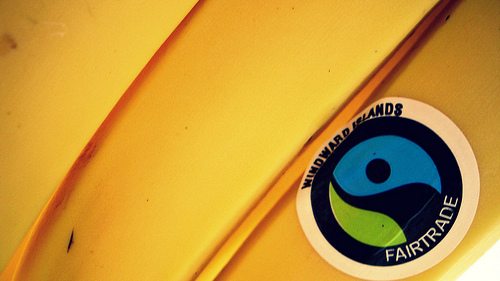
As 2013 begins to wither in to the distance, Ben Goulder looks to 2014 and the recent announcement that next year’s Fairtrade Fortnight will take place between February 24 and March 9.
To most by now, Fairtrade is a familiar concept, but Fairtrade Fortnight may be less familiar. It was pioneered in Scotland in 1997 and directed by Barnaby Miln in an attempt to drive local supermarkets to stock Fairtrade products.
The first Fairtrade Fortnight was launched by Lady Marion Fraser, the chairman of Christian Aid, who broke a bar of Fairtrade chocolate to commence the event. Over the first fortnight, supporters were encouraged to approach a targeted list of 85 supermarkets in Scotland and ask them to stock Fairtrade.
The initial campaign was successful and spread to the rest of the UK and several other countries such as Ireland, Canada, Australia and New Zealand over the following years. As it continued to grow, events associated with it became bigger and more elaborate with fetes, fairs, fashion shows and food and drink tastings regularly taking place during Fairtrade Fortnight.
Each year, the fortnight has a theme: 2013’s theme was based around Fairtrade cotton and 2014’s theme is based around Fairtrade bananas. Bananas have been at the heart of Fairtrade for over 13 years and over 1.3 billion Fairtrade bananas are sold in the UK each year.
Despite this, problems remain within the banana industry which Fairtrade plan to transform with its Abolish Unfair Banana campaign to make sure the struggling banana farmers and workers get a fair deal. Whether you’re buying Fairtrade bananas, Fairtrade fruit juice or other Fairtrade products, you’re helping Fairtrade and helping the workers.
The campaign was highlighted to mainstream audiences even more in 2013 with numerous big name backers including Jonathan Ross, Tulisa, Harry Hill and Levi Roots.
During Fairtrade Fortnight, Levi Roots said, “After visiting Fairtrade cocoa farmers in Ghana, this cause is very close to my heart. More needs to be done to improve the working conditions and pay for the people that produce our food.”
It is estimated that small farmers grow around 70% of the world’s food, yet only receive an average of 3% of the retail price once their produce hits the supermarket shelves. The Fairtrade system helps to provide these farmers with a fairer price for their produce leading to a chance for a better livelihood for themselves and their families.
If you, your business or your school is looking to get involved in Fairtrade Fortnight then head over to the Fairtrade site.
Ben Goulder is a writer for Calypso Soft Drinks, British manufacturers of Fairtrade pure fruit juices and long time supporter of both the Fairtrade Foundation and environmental charity, the World Land Trust.
Further reading:
First sign of recovery in the organic food and drink sector
One in four people happy to spend more on ethical products
The banana dilemma: local or Fairtrade?
We need to use Grandma as inspiration to bring sustainability back into food
How we put this together
- Published
- Sources
- Primary reporting
- Standards
- About
Keep moving along the spectrum
The same desk, then neighbouring desks along the brand spectrum.





