Book review: The End of Poverty – Jeffery Sachs (2005)

Share
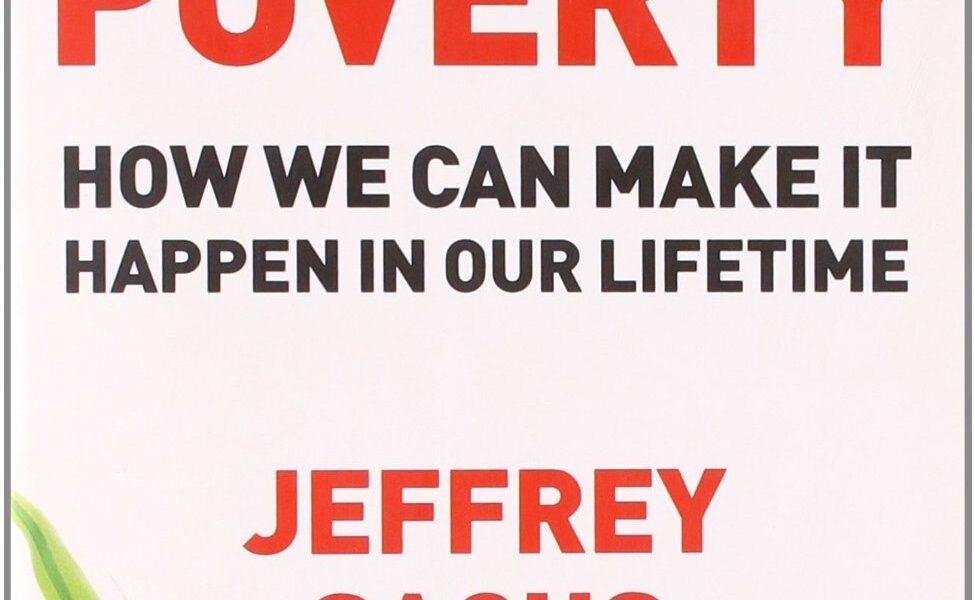
The End of Poverty: How We Can Make it Happen in Our Lifetime argues that extreme poverty could be eliminated within a 20-year period through carefully planned development aid.
It says that very poor countries need help to reach the ‘bottom rung’ in economic development but once they reach this point, the need for aid will be greatly reduced, as the countries will be able to support themselves.
Author Jeffery Sachs draws on his own experiences to offer an insight into why poverty still exists today, despite a huge amount of wealth in the world, and offers a unique perspective through his own stories of working in Bolivia, Poland, Russia, India, China and Africa. The anecdotes allow readers to fully understand the diverse problems and challenges each country faces.
The End of Poverty uses a medical analogy to explain extreme poverty as a treatable disease, with each country being a complex system requiring a different diagnostic.
In order to tackle poverty, Sachs proposes that the direct assistance from rich counties to poor countries needs to dramatically increase and move away from the current model we have, in which poor counties pretend to reform whilst rich countries pretend to help them.
He identifies six keys areas where investment is needed but emphasises that economists will need to examine each nation so that the plan and investments matches the country’s needs.
The End of Poverty is eye-opening and will leave readers questioning why more is not being done to eliminate poverty if the problem can be overcome as well as a moral sense that those in richer nations needs to act.
How we put this together

- Published
- Last updated
- Sources
- Primary reporting
- Standards
- About
Keep moving along the spectrum
The same desk, then neighbouring desks along the brand spectrum.





