Book review: The End of the Line – Charles Clover (2006)

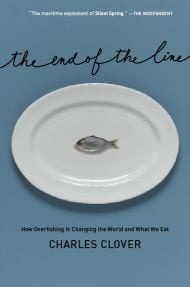
The End of the Line: How Overfishing is Changing the World and What We Eat describes how modern fishing practices are destroying ecosystems in the ocean and how our methods will impact on us.
Author Charles Clover, former environment editor of the Daily Telegraph, argues that current global fish consumption is unsustainable, with many areas being subjected to overfishing. He looks at the industry from many different perspectives, from fishermen to chefs, across the world to examine what can be done to make the industry more sustainable.
The End of the Line is eye-opening and uses statistics and facts to demonstrate how unsustainable current methods are, such as the fact that 75% of the world’s fish stocks are now fully exploited or overfished. This is leading to some species being at risk of extinction in the next few decades, for example, the blue whiting has a sustainable catch of 1 million tonnes a year but Norway alone catches 880,000 tonnes each year.
The book is packed with information and insights that highlight the extent of the repercussions if we fail to adapt. Many people fail to make the connection between their eating habits and the impact on the world but End of the Line will change that.
The book was also made into documentary of the same name, directed by Rupert Murray. The film builds on the book and clearly demonstrates why fishing should be controlled more tightly and how resources are being exploited.
Despite the stark message of the book it does offer suggestions of how different nations should engage with each other in order to achieve a sustainable fishing system. Clover argues that the government and consumers could take action to reverse the overfishing trend before it is to late.
The author, who is chairman of the Blue Marine Foundation, is one of the speakers at Blue & Green Tomorrow’s sustainability conference on September 30, as part of Sustainable September. For more details on how to attend, see here.
How we put this together

- Published
- 27 Jun 2014
- Last updated
- 31 Oct 2016
- Sources
- Primary reporting
- Standards
- About
Keep moving along the spectrum
The same desk, then neighbouring desks along the brand spectrum.





