Safer Factories, Greener Futures: Technology Raising The Bar In Manufacturing

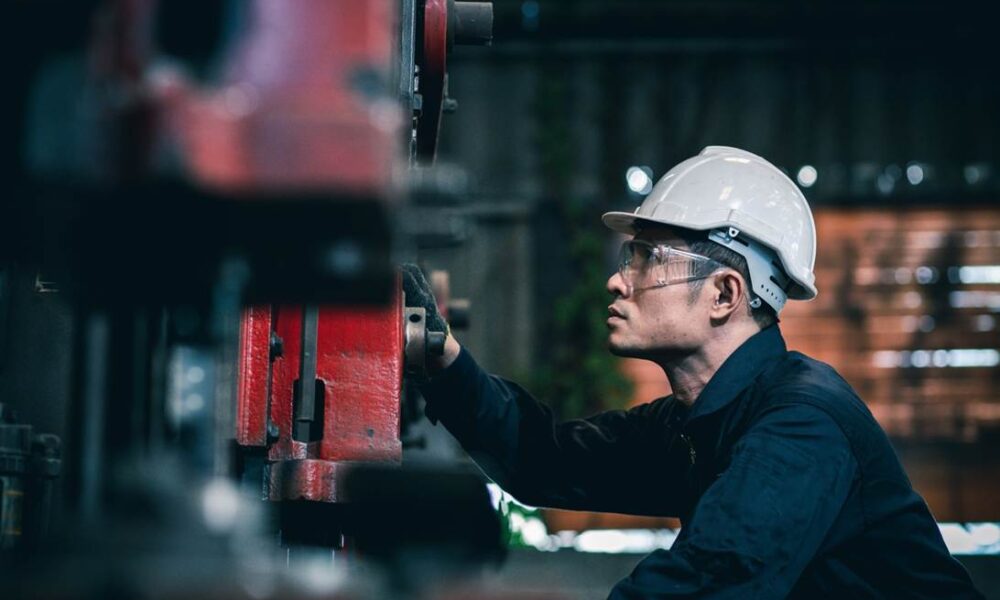
Manufacturing and maintenance environments have always balanced productivity with risk. Today, that balance increasingly includes environmental responsibility. New safety technologies are doing more than protecting workers. They are reducing waste, cutting emissions, and supporting long-term sustainability goals. As facilities modernize, safety and environmental progress are becoming closely linked rather than separate priorities.
Smart Sensors and Predictive Monitoring
One of the most impactful advances in industrial safety is the use of smart sensors. These devices monitor temperature, vibration, air quality, and equipment performance in real time. By spotting irregular patterns early, teams can address issues before they lead to breakdowns, injuries, or environmental incidents.
Predictive monitoring reduces unplanned downtime and prevents equipment failures that often result in spills, excess energy use, or material waste. When machines operate within optimal ranges, facilities consume fewer resources and generate less scrap, supporting both worker safety and sustainability targets.
Automation That Reduces Exposure and Waste
Automation has reshaped many manufacturing tasks that once exposed workers to repetitive strain or hazardous conditions. Robotic systems now handle heavy lifting, precision cutting, and chemical processing with consistent accuracy. This lowers injury risk while also reducing material errors that lead to waste.
Automated systems can measure inputs precisely, ensuring that raw materials, lubricants, and coolants are used efficiently. Over time, this precision limits excess consumption and reduces disposal needs, helping manufacturers shrink their environmental footprint.
Digital Training Platforms and Simulation
Training remains one of the strongest predictors of safe workplaces. Digital platforms now allow employees to learn procedures through simulations, virtual environments, and adaptive learning modules. These tools reduce the need for physical materials and travel, cutting emissions linked to traditional training methods.
Simulation-based learning also allows teams to practice emergency scenarios without real-world risk. This improves readiness while avoiding damage to equipment or facilities. Many organizations integrate industrial maintenance training into these platforms, aligning skill development with safety and environmental stewardship.
Wearable Technology for Worker Protection
Wearable safety devices are gaining traction across manufacturing floors. Smart helmets, badges, and wristbands can track fatigue, location, and exposure to harmful conditions. Alerts notify workers and supervisors before situations become dangerous.
From a sustainability perspective, wearables help prevent incidents that could result in chemical releases, fires, or equipment damage. Fewer accidents mean fewer repairs, less downtime, and reduced consumption of replacement parts and materials.
Energy Management and Safety Integration
Modern safety systems increasingly connect with energy management tools. Lighting, ventilation, and machinery can adjust automatically based on occupancy and task requirements. This improves visibility and air quality while reducing unnecessary energy use.
Integrated systems ensure that safety measures, such as proper ventilation during maintenance tasks, do not lead to excessive power consumption. The result is a workplace that protects people without compromising environmental performance.
Data Analytics and Continuous Improvement
Data analytics ties many of these technologies together. By analyzing safety incidents, near misses, and operational trends, companies can refine processes and reduce risk over time. Data-driven decisions also reveal opportunities to lower emissions, improve efficiency, and extend equipment life.
Longer equipment lifespans mean fewer replacements and less manufacturing of new machinery, which directly supports sustainability goals across supply chains.
Technology is reshaping how manufacturing and maintenance teams think about safety. The most effective solutions protect workers, preserve resources, and support cleaner operations at the same time. As these tools become standard, safer factories and greener futures are no longer competing priorities. They are part of the same system working together.

How we put this together

- Published
- Sources
- Primary reporting
- Standards
- About
Keep moving along the spectrum
The same desk, then neighbouring desks along the brand spectrum.





