Shale gas could lower energy bills, say fund managers
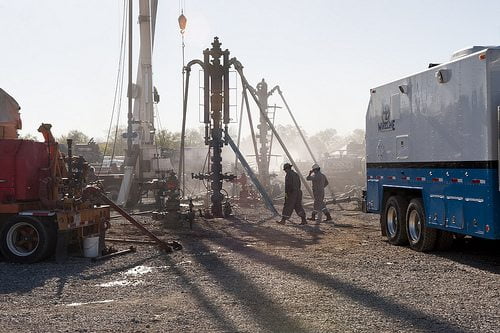
The majority of investment fund managers are confident that domestic shale gas production will help lower consumer energy bills. However, of the 200 fund managers questioned, a significant 36% said fracking was unlikely to make a difference.
The survey, conducted by Capital Spreads, found that 11% think energy costs will be significantly lower as a result of fracking. In addition, 48% think shale gas production will lead to a slight drop in the cost of energy.
Fracking remains a controversial subject with conflicting research and opinions. A report by the trade body Water UK published in November admitted the extraction method could contaminate water supplies but argued the risks could be mitigated.
The industry also raises questions for responsible investors around whether fracking is a sustainable investment.
Simon Clements, sustainable and responsible investment (SRI) fund manager at Alliance Trust Investments, commented, “We prefer non-fossil fuel investment but make an exception with natural gas as we believe it is a beneficial transition fuel, substituting more polluting fossil fuels such as oil and gas.
“We believe shale gas (and its associated fracking) can provide a positive contribution to sustainable development – if done to the highest standards. That said we are wary of companies with high exposure to shale gas as we believe economics are currently overstated.”
Clements acknowledged that there were risks with shale gas, including its unknown impact on the environment, but concluded that the “benefits appear to outweigh the costs”.
Peter Michaelis, head of the Alliance Trust SRI team, previously told Blue & Green Tomorrow that he was also “wary” of shale gas investments. He added that the one thing missing from the shale gas industry was trust, with the US displaying a “far from perfect” record.
A request for data made by the Associated Press (AP) revealed that hundreds of complaints have been made regarding well-water contamination from oil or gas drilling in just four US states. The data received from Pennsylvania, Ohio, West Virginia and Texas casts doubt on industry suggestions that issues rarely occur.
AP added that whilst the complaints represent only a small number of oil and gas wells drilled each year, the lack of detail in some reports could be fuelling public “confusion and mistrust”.
Over the last month, the fracking debate has become more heated in the UK with the government announcing it was exploring the possibility of “large scale shale gas production” on two-thirds of British land. The share of the revenue local communities should get for shale gas discoveries is also being questioned.
Further reading:
Community benefit row threatens UK fracking boom
Two-thirds of Britain ‘could be fracked’
Fracking releases hormone-disrupting chemicals, study finds
Pope Francis speaks out against fracking and environmental devasation
Water trade body admits fracking risks – but says these can be mitigated
How we put this together
Blue & Green Tomorrow's editorial desk reports on ethical investment, clean energy, and sustainable living.
- Published
- Sources
- Primary reporting
- Standards
- Corrections policy · About · Report an error
Keep moving along the spectrum
The same desk, then neighbouring desks along the brand spectrum.