Mercury levels at Canadian tar sands sites 16 times higher than normal

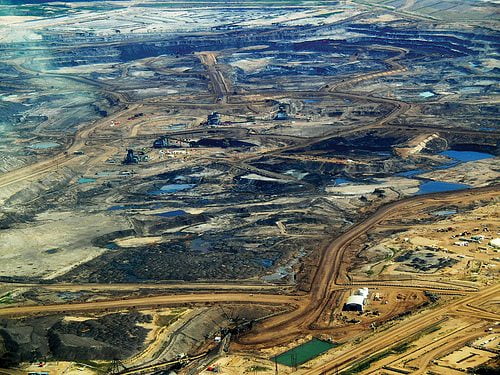
A 7,500 sq mile area of tar sands in Alberta, Canada, is displaying worrying levels of the neurotoxin mercury, scientists have claimed.
Oil from tar sands has been linked to unusually high levels of the substance, which can lead to brain, kidney and lung damage.
According to federal scientists from Environment Canada, Alberta’s oil sands are surrounded by 7,500 sq miles (19,000 sq km) of mercury at levels 16 times higher than what is expected in the region.
Speaking at the Society of Environmental Toxicology and Chemistry Conference in Nashville, Jane Kirk and Derek Muir said that the area was “currently impacted by airborne Hg (mercury) emissions originating from oil sands developments”. They added that levels decrease with distance from the extraction site, like a bullseye.
A detailed study of the findings will be published early this year. Researchers have collected data from the environment and wildlife and even found high mercury levels in bird eggs.
Extraction of oil from tar sands has been strongly opposed by environmentalists and indigenous groups, as it emits 12% more carbon than conventional oil, requiring more energy and refinement.
Local communities have blamed tar sands oil for an increase in rates of cancer and other diseases in the region. Meanwhile, the exploitation of Canada’s oil has made the country’s environmental and climate performances fall.
In December, Al Jazeera revealed that the new Alberta Energy Regulator, the body that releases oil, coal and gas permits, would be fully funded by the fossil fuels industry.
Further reading:
Keystone XL a ‘high-risk’ investment with minimal economic benefits
Tar sands activists embark on ‘healing walk’ to mend the environment
Activists call on Canadian investors to ditch fossil fuels
How we put this together

- Published
- Sources
- Primary reporting
- Standards
- About
Keep moving along the spectrum
The same desk, then neighbouring desks along the brand spectrum.





