Growing risk around fossil fuels, say 75% of US sustainable investment industry
Investment professionals in the US are recognising the growing risk around investing in the fossil fuel industry, with three-quarters saying such risk is increasing.
The fossil free divestment survey, conducted by First Affirmative Financial Network, is being released in advance of the 25th annual SRI Conference on sustainable and responsible investment (SRI). The event takes place in November and is the largest annual meeting of responsible investors in the US.
Some 55% of those surveyed also stated there is a growing risk of stranded assets in fossil fuel extraction companies. In order to keep climate change below a 2C, the majority of known fossil fuel reserves need to remain in the ground. These are referred to as stranded assets and could essentially end up being worthless when climate change is factored in.
Standard Life Investment is just one of the many asset managers to have warned investors about the long-term sustainability of companies they invest in, to ensure they are not exposed to future risks.
The growing concern around fossil fuel investments means that over seven in 10 of those polled said 2014 is the right time for investors to assess their approach to investing in traditional energy companies. In addition, 77% described fossil fuel-free investing as the biggest or a major trend in the SRI space.
Just under half of those questioned said institutional investors are interested in fossil-free investing. This compares to the 62% that said they had seen interest among retail investors. The answers suggest that institutional investors are responding slower and are more cautious of the fossil fuel divestment movement.
Steve Schueth, president of First Affirmative, said the survey proves that investment strategies that exclude fossil fuels are on the rise and the trend is expected to continue.
He added, “In my view, the growing drumbeat of responsible investors seeking investment strategies with little or no exposure to coal, oil and gas extraction companies will only increase as more evidence of the negative effects of climate distribution reverberate from recent IPCC and National Climate Assessment reports, and as more analysts and investors understand the stranded asset risk equation.”
Interestingly, the poll revealed that 45% of US investment professionals believe the fossil fuel divestment movement will expand to include companies that produce large amounts of greenhouse gas emissions.
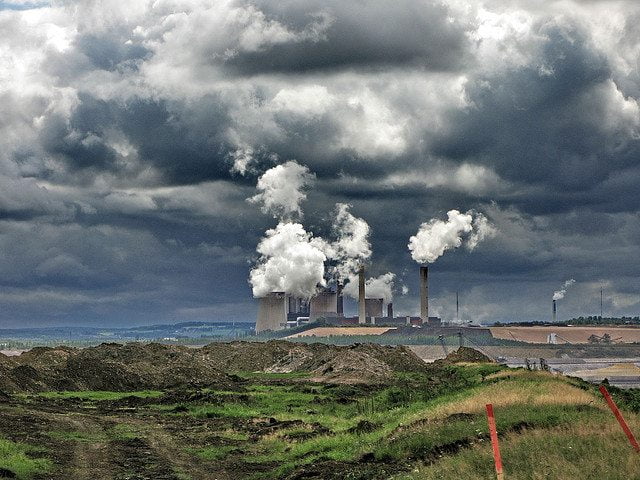
Photo: glasseyes view via Flickr
Further reading:
Fossil fuel divestment campaigns can help ‘stigmatise’ industry
US academics: fossil fuel divestment reduces long-term financial risks
Pope Francis urged to support fossil fuel divestment campaign
IPCC report proves fossil fuel investors are ‘wrecking our future’
Major philanthropic foundations add backing to fossil fuel divestment drive
How we put this together
Blue & Green Tomorrow's editorial desk reports on ethical investment, clean energy, and sustainable living.
- Published
- Sources
- Primary reporting
Keep moving along the spectrum
The same desk, then neighbouring desks along the brand spectrum.