Female sea turtle population to grow in warmer climate, putting species at risk
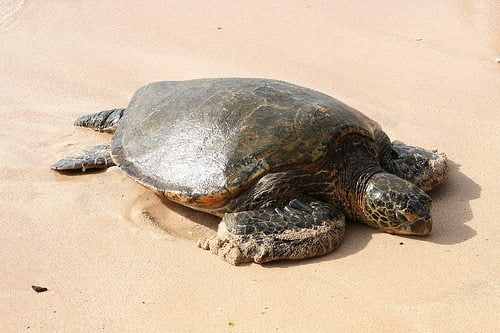
A new study has claimed that rising temperatures could dramatically affect sea turtle populations in the long-term, with the majority of hatchlings born female which would therefore put the species at risk of extinction.
The incubation temperature determines sex in turtles, with warmer sand usually producing female hatchlings. At a temperature of 29C, the gender ratio is about 50:50, but when it is cooler, the hatchlings are more likely to be born male.
In a warmer world, however, hotter sand would mean that the majority of individuals would be born female. This could drive the species to extinction in the long-term, the study said.
One of the authors, Prof Graeme Hays, added, “Sea turtles are unusual in that the gender of the offspring is not driven by sex chromosomes, as in humans.
“The logic is that warming temperatures will lead to more female hatchlings being produced, because the females are produced at the warmer temperatures.”
The temperature of the sand usually depends on the colour, with dark sand being warmer than light sand. Hays said that in the short-term, the phenomenon could even be beneficial.
He explained, “Over the next 20 to 30 years, it’s not going to create problems. In fact there’s going to be a benefit to the turtles, because there’s going to be more females produced, which means more females laying eggs. More females will lead to a population expansion.
“But ultimately, if you extrapolate long enough into the future, once you get 100 years or more into the future, then things start to look serious. You have so few males left that it’s likely to be a problem. There will be heaps of female but not enough males to fertilise all those eggs.”
Photo: Kim via flickr
Further reading:
14 species still recovering from BP oil spill, conservationists say
Male fish ‘feminised’ by pollution on Basque coast
Marine conservation could be worth ‘billions’ to UK economy
‘Ghost fishing’ project in North Sea reaches first milestone
Ghost nets and feminised fish: sea turtles and the dangers of ‘novel pollutants’
How we put this together
Blue & Green Tomorrow's editorial desk reports on ethical investment, clean energy, and sustainable living.
- Published
- Sources
- Primary reporting
- Standards
- Corrections policy · About · Report an error
Keep moving along the spectrum
The same desk, then neighbouring desks along the brand spectrum.





