Features
Keeping Dairy Herds Healthy For Sustainable, High Performing Production

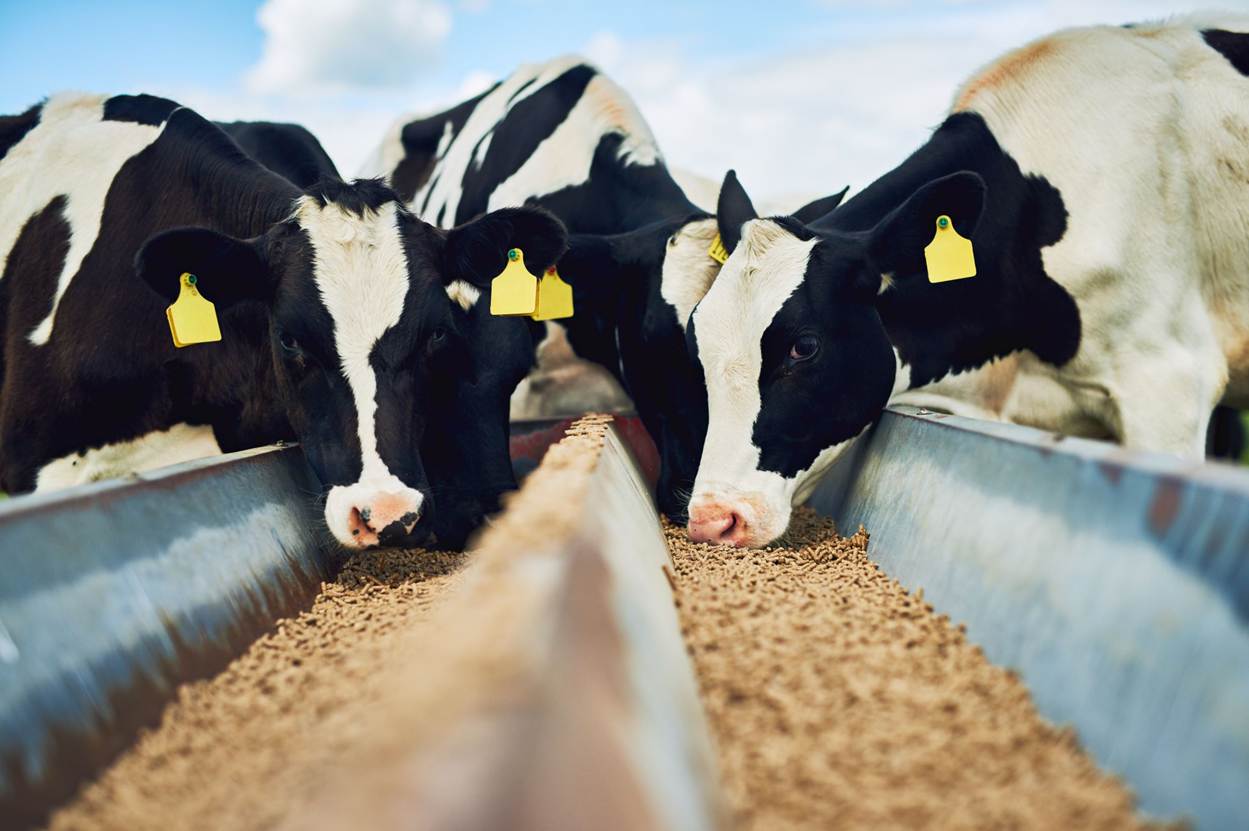
Dairy operations thrive when herds are healthy, comfortable, and supported with consistent care. Strong animal wellbeing drives reliable milk output, lowers treatment costs, and creates a more sustainable system overall. Producers looking to optimize production must consider how nutrition, environment, and herd management work together to support long-term performance rather than short bursts of output that strain animals or resources.
Why Herd Health Drives Production
Healthy cows produce more milk with greater consistency. Stress, illness, and poor housing conditions weaken the immune system and reduce appetite, which directly affects yield. Even mild discomfort can change eating patterns or limit movement, leading to reduced feed intake and slower recovery from routine challenges. Preventive care, structured routines, and early detection of health shifts help dairy teams respond quickly, protecting both animals and output.
Nutrition plays a central role in production. Balanced diets rich in fiber, energy, vitamins, and minerals ensure cows maintain steady digestion and energy levels. Rumen health is especially important, as disruptions can cause milk fat changes, lowered yield, or metabolic problems. Regular evaluation of feed quality and adjustments based on seasonal needs keep cows on a stable nutritional foundation.
Creating Environments That Support Cow Comfort
Environmental conditions heavily influence productivity. Clean, well-ventilated barns reduce respiratory irritation and heat stress. Adequate bedding encourages resting behavior, which supports digestion and milk production. Heat stress has measurable effects on herd performance, reducing fertility, feed intake, and milk output. Cooling strategies such as fans, shade, and access to water help maintain optimal temperatures during warm months.
Herd movement and social structure also matter. Crowding increases stress and creates competition at feed or water stations. Designing spaces that encourage natural behaviors supports both physical and emotional well-being. Even modest changes improve how animals eat, rest, and interact.
Practical Strategies for Sustainable Peak Production
Proactive herd monitoring helps producers identify early signs of lameness, mastitis, or digestive issues. Tools such as activity trackers, milk sensors, and automated feeding systems provide real-time insight into cow behavior and intake patterns. Quick intervention prevents small issues from becoming production-limiting problems.
Routine health checks, vaccination programs, and parasite management build a healthier baseline for the entire herd. Producers often rely on dependable agricultural farm supplies to maintain consistent feeding, sanitation, and care routines that support daily management.
Genetic selection also contributes to long-term performance. Breeding programs that emphasize durability, strong immune systems, and productive longevity help reduce replacement rates and lower environmental impact over time. Choosing traits that support adaptability and overall resilience creates herds better suited to variable conditions.
Dairy sustainability depends on more than yield alone. Herd health, comfort, and proactive management anchor a system in which animals thrive, and farms remain productive for years to come. Thoughtful strategies that blend nutrition, environment, and monitoring help producers reach peak production while protecting both animals and resources. For more information, check out the accompanying resource below.













Are 4-in-1 Taps Worthwhile for Eco-Friendly Homes?

Pedestrian and Bicycle Accidents in Chicago’s Crowded Urban Areas

Neel Somani Discusses the Energy Market Design and How Pricing Actually Works

Eco-Friendly Landscaping: How Homeowners go Green Outdoors

Do You Need Solar Panels for Whole Home Battery Backup?

Collisions Involving Sudden Door Openings from Parallel-Parked Cars

Eco-Friendly Workplaces and Storm Attendance Challenges

How Educational Administration Degrees Support Greener Schools

How Proactive Crisis Planning Supports Safer and More Sustainable Operations

Safeguarding What Cannot Be Replaced: Managing Irreplaceable Assets In Agriculture
How Educational Administration Degrees Support Greener Schools
Collisions Involving Sudden Door Openings from Parallel-Parked Cars
Do You Need Solar Panels for Whole Home Battery Backup?
Eco-Friendly Workplaces and Storm Attendance Challenges
Eco-Friendly Landscaping: How Homeowners go Green Outdoors
Neel Somani Discusses the Energy Market Design and How Pricing Actually Works
Pedestrian and Bicycle Accidents in Chicago’s Crowded Urban Areas
Are 4-in-1 Taps Worthwhile for Eco-Friendly Homes?

 Features12 months ago
Eco-Friendly Cryptocurrencies: Sustainable Investment Choices
- Energy11 months ago
Growth of Solar Power in Dublin: A Sustainable Revolution
- Energy11 months ago
Renewable Energy Adoption Can Combat Climate Change
- Environment11 months ago
The Sustainable use of Natural Resources: XP Upgreen by Expert Petroleum