Safeguarding What Cannot Be Replaced: Managing Irreplaceable Assets In Agriculture
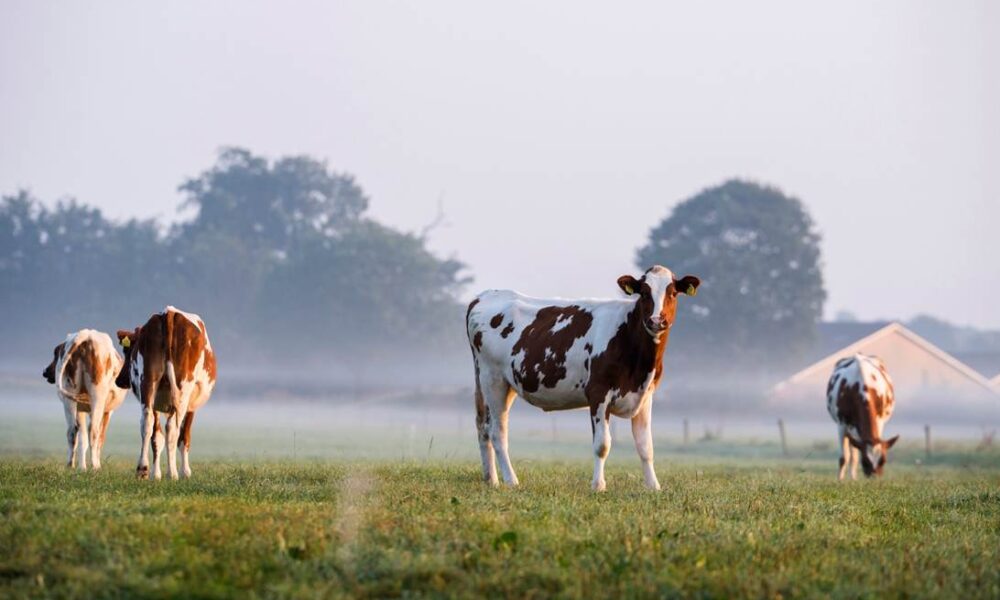
Agriculture depends on assets that cannot be quickly rebuilt once lost. Healthy soil, breeding stock, water access, and generational knowledge form the backbone of long-term food systems. Managing these resources carefully supports environmental balance while protecting farm viability across decades. As sustainability becomes a central concern, thoughtful asset stewardship is increasingly tied to resilience, productivity, and community trust.
Soil as a Living Asset
Soil health stands at the center of sustainable agriculture. Unlike machinery, soil quality improves or declines based on daily decisions. Crop rotation, cover cropping, and reduced tillage help preserve structure and nutrient balance. These practices also support carbon retention and water efficiency. When soil degrades, recovery can take years, making prevention far more valuable than repair.
Genetic Resources and Livestock Care
Livestock genetics represent another irreplaceable asset. Breeding lines developed over generations reflect adaptation to local climates, disease pressures, and market needs. Protecting animal welfare through proper nutrition, shelter, and veterinary care supports both ethical farming and long-term herd stability. Disease outbreaks or poor management can erase years of selective progress in a single season.
Water Access and Long-Term Planning
Reliable water sources shape the future of any agricultural operation. Groundwater, surface water rights, and irrigation infrastructure require careful oversight to remain viable. Conservation practices such as drip irrigation and soil moisture monitoring reduce waste while maintaining yields. In many regions, water stewardship also strengthens relationships with surrounding communities and regulators.
Equipment, Identity, and Cultural Assets
Physical tools and cultural markers often hold practical and symbolic value. Items passed down through generations reflect identity as much as function. Even traditional tools, such as branding irons for sale used to maintain herd records and ownership clarity, connect modern operations to longstanding agricultural practices. Protecting these items preserves both operational continuity and heritage.
Knowledge Transfer and Succession
Experience gained through years of observation and adaptation is difficult to document fully. Mentorship, training programs, and clear succession planning help ensure that practical knowledge does not disappear when leadership changes. Farms that prioritize education and communication often adapt more successfully to environmental and economic shifts.
Managing irreplaceable agricultural assets requires patience, consistency, and foresight. Sustainable practices extend beyond environmental metrics and reach into culture, planning, and responsibility. By treating these resources as long-term investments rather than short-term inputs, agriculture remains productive while honoring the systems that make food production possible. Look over the accompanying infographic below for more information.

How we put this together
Chris Farrell has contributed to Blue & Green Tomorrow since 2012 on UK and European energy policy and sustainable housing. He previously ran the British energy-efficiency company Zenex Energy, experience that informs his work on heating efficiency and solar adoption. His recent articles also examine green property trends and agricultural asset stewardship.
- Published
- Last updated
- Sources
- Primary reporting
- Standards
- Corrections policy · About · Report an error
Keep moving along the spectrum
The same desk, then neighbouring desks along the brand spectrum.





