Features
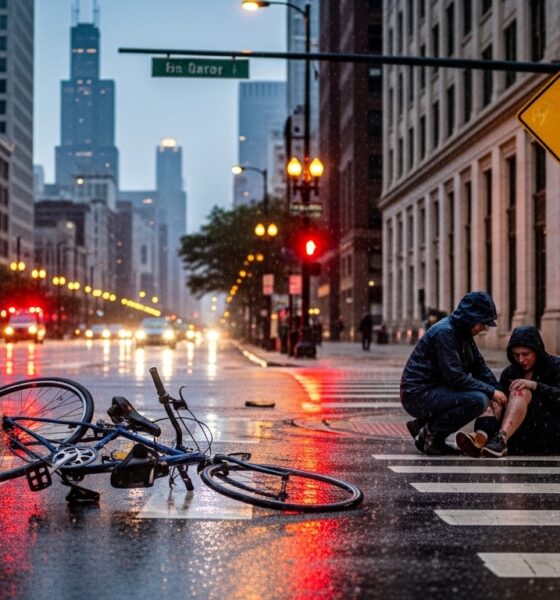
Pedestrian and Bicycle Accidents in Chicago’s Crowded Urban Areas

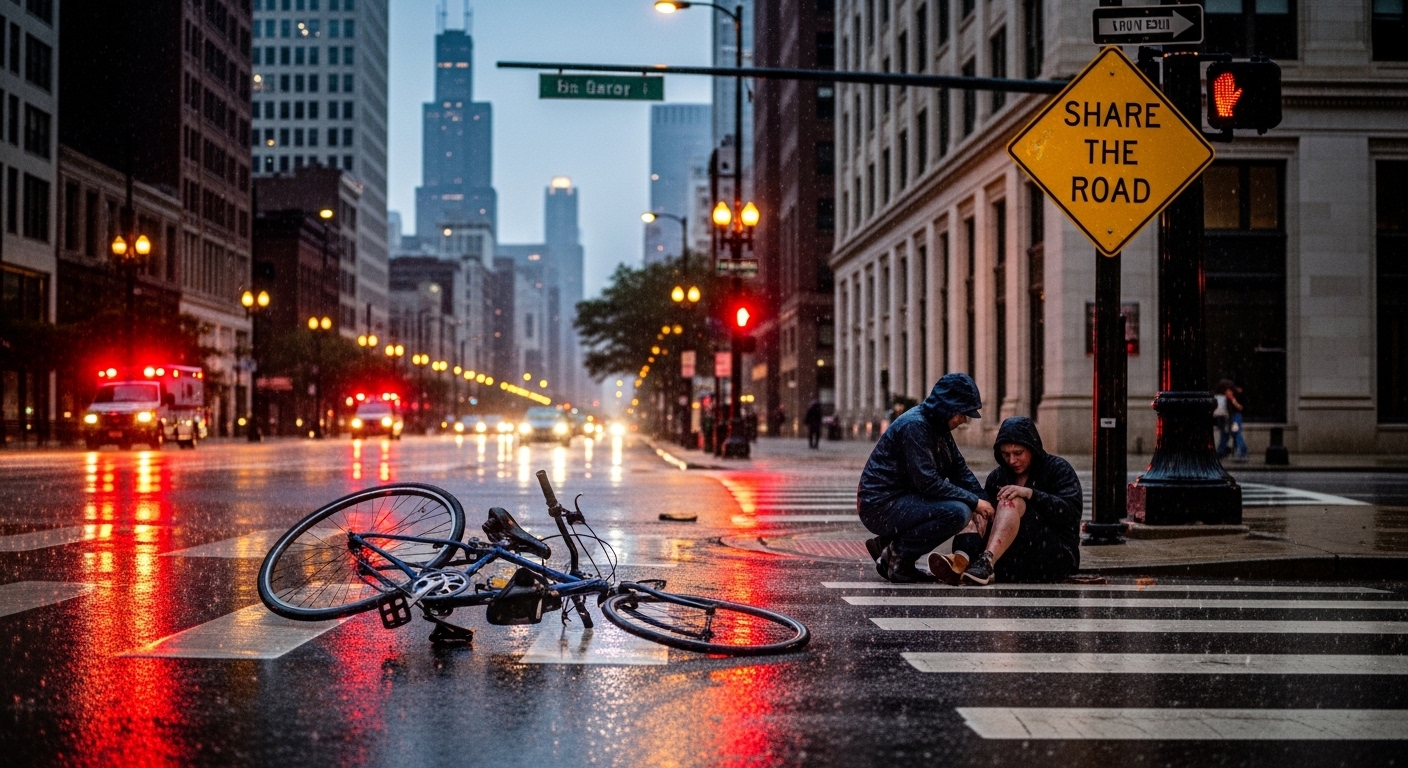
Chicago’s dense mix of vehicle traffic, foot traffic, and cycling activity creates a high-risk environment for pedestrian and bicycle accidents. In neighborhoods with heavy congestion and along popular shared routes like the Lakefront Trail, interactions between cars, cyclists, and pedestrians are frequent and often unpredictable. When space is limited and movement is constant, even small lapses in attention or judgment can lead to serious collisions. Understanding how these accidents occur—and how liability is assessed afterward—is essential for anyone navigating the city.
Why Chicago’s Streets Can Be So Risky
Chicago’s busiest neighborhoods—such as the Loop, River North, and Wicker Park—see constant movement from drivers, cyclists, and pedestrians sharing limited space. Intersections are often crowded, bike lanes may be narrow or obstructed, and parked cars can limit visibility. In these conditions, even routine maneuvers like turning at an intersection or crossing the street can become more complicated.
Parks and recreational areas add another layer of complexity. Spaces like Lincoln Park and the Lakefront Trail attract both casual walkers and experienced cyclists, all moving at different speeds. Without clear separation between lanes or consistent adherence to right-of-way rules, the likelihood of collisions increases. The more crowded the environment, the smaller the margin for error.
The Most Common Causes of City Collisions
Many pedestrian and bicycle accidents stem from predictable issues. Distracted driving remains a leading factor, with drivers focusing on phones, navigation systems, or in-car controls instead of the road. At the same time, pedestrians and cyclists may also be distracted, reducing their awareness of nearby traffic.
Failure to yield is another frequent cause, particularly at intersections and crosswalks. Drivers may underestimate how quickly a cyclist is approaching, while cyclists might assume they have more time to pass through an intersection than they actually do. Speeding, even slightly above the limit, can reduce reaction time and increase the severity of an impact.
Infrastructure also plays a role. Potholes, faded lane markings, and poorly maintained bike lanes can force cyclists into traffic or create unexpected hazards. Seasonal weather conditions—such as rain, snow, or ice—further complicate stopping distances and overall control for both drivers and cyclists.
Who’s Responsible When Something Goes Wrong?
Determining responsibility after a pedestrian or bicycle accident is rarely straightforward. Illinois law generally requires all road users to act with reasonable care, but multiple parties can contribute to a single incident. A driver may be at fault for failing to yield, while a cyclist or pedestrian may share responsibility for ignoring traffic signals or crossing outside designated areas.
In some cases, road conditions or inadequate signage can also be factors. For example, unclear lane markings or obstructed visibility at intersections may shift part of the responsibility toward a municipality or other entity responsible for maintenance. Because each situation is fact-specific, evaluating fault often involves reviewing evidence such as traffic camera footage, police reports, and witness accounts.
This is where Chicago-based personal injury lawyers often focus their analysis—examining how each party’s actions contributed to the outcome and how those actions align with traffic laws and safety expectations.
What an Accident Can Really Cost You
The impact of a pedestrian or bicycle accident extends beyond the initial collision. Medical expenses are often the most immediate concern, ranging from emergency treatment to ongoing rehabilitation. Even relatively minor injuries can require follow-up care, physical therapy, or time away from work.
Lost income can quickly become a significant issue, particularly for individuals who rely on physical mobility for their jobs. In more serious cases, injuries may lead to long-term limitations that affect future earning capacity. Property damage is another consideration, especially for cyclists whose bikes and gear may be costly to repair or replace.
There are also less visible effects. Pain, reduced mobility, and the disruption of daily routines can all have a lasting impact. In dense urban environments like Chicago, where walking and biking are common, these limitations can affect nearly every aspect of day-to-day life.
Simple Ways to Stay Safer in the City
Reducing the risk of accidents in a busy city environment depends on awareness and consistency. Pedestrians benefit from using designated crosswalks, following traffic signals, and remaining attentive when entering intersections. Cyclists can improve safety by riding predictably, obeying traffic laws, and making themselves visible with lights or reflective gear.
Drivers also play a critical role. Being attentive at intersections, checking blind spots for cyclists, and yielding appropriately can prevent many common types of collisions. In areas with heavy foot and bike traffic, slowing down and anticipating movement from others can make a meaningful difference.
City planning efforts continue to address safety concerns through expanded bike lanes, improved signage, and better road maintenance. While these measures help, individual behavior remains one of the most important factors in preventing accidents.
Getting the Help You Need After a Crash
After an accident, the immediate priority is typically medical care and documenting what occurred. Police reports, photographs, and witness information can all provide a clearer picture of how the incident happened. This information often becomes important when reviewing responsibility and potential claims.
Insurance coverage, both for drivers and, in some cases, cyclists, may play a role in addressing costs related to injuries or property damage. The process of determining what is covered—and to what extent—can vary depending on the details of the accident and the policies involved.
Understanding the available options and how fault is assessed can help individuals navigate the aftermath more effectively, particularly in complex urban scenarios where multiple factors may be involved.
Moving Forward After a Pedestrian or Bicycle Accident
Pedestrian and bicycle accidents remain a consistent concern in Chicago’s most active areas, where high volumes of traffic and limited space create ongoing challenges. Collisions often result from a combination of human behavior, environmental conditions, and infrastructure limitations rather than a single clear cause.
By recognizing common risk factors and understanding how responsibility is evaluated, individuals can better navigate both the city itself and the aftermath of an accident. In an environment where movement is constant and shared among many, awareness and accountability continue to play a central role in reducing harm and managing its consequences.



Pedestrian and Bicycle Accidents in Chicago’s Crowded Urban Areas

Neel Somani Discusses the Energy Market Design and How Pricing Actually Works

Eco-Friendly Landscaping: How Homeowners go Green Outdoors

Do You Need Solar Panels for Whole Home Battery Backup?

Collisions Involving Sudden Door Openings from Parallel-Parked Cars

Eco-Friendly Workplaces and Storm Attendance Challenges

How Educational Administration Degrees Support Greener Schools

How Proactive Crisis Planning Supports Safer and More Sustainable Operations

Safeguarding What Cannot Be Replaced: Managing Irreplaceable Assets In Agriculture

Quality Control As A Sustainability Lever In Manufacturing
How Educational Administration Degrees Support Greener Schools
Collisions Involving Sudden Door Openings from Parallel-Parked Cars
Do You Need Solar Panels for Whole Home Battery Backup?
Eco-Friendly Workplaces and Storm Attendance Challenges
Eco-Friendly Landscaping: How Homeowners go Green Outdoors
Neel Somani Discusses the Energy Market Design and How Pricing Actually Works
Pedestrian and Bicycle Accidents in Chicago’s Crowded Urban Areas

 Features12 months ago
Eco-Friendly Cryptocurrencies: Sustainable Investment Choices
- Energy12 months ago
The Growing Role of Solar Panels in Ireland’s Energy Future
- Energy11 months ago
Growth of Solar Power in Dublin: A Sustainable Revolution
- Energy11 months ago
Renewable Energy Adoption Can Combat Climate Change