What’s Filling Our Waste Streams? A Breakdown Of Packaging Waste
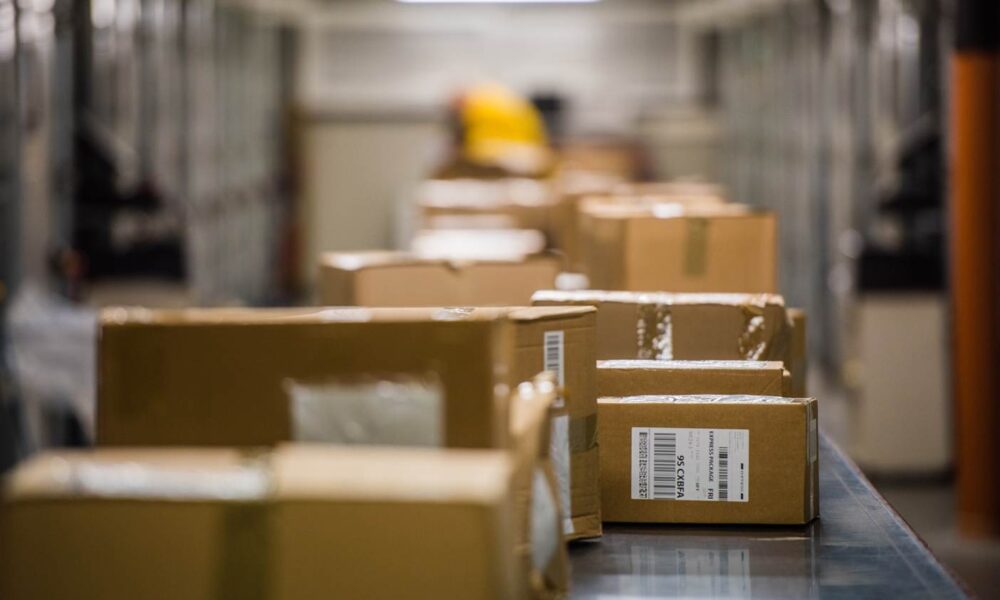
Packaging waste has become a major environmental concern, driven by rising consumer demand and widespread use of single-use materials. A closer look at what gets discarded reveals patterns that can guide both individual and industry-wide efforts to reduce unnecessary waste.
Types of Packaging Waste
The most common forms of packaging waste include plastic, paper and cardboard, metal, and glass. Plastic remains the largest contributor due to its affordability, durability, and extensive use in food and product packaging. Despite these benefits, plastic packaging is often difficult to recycle. Items such as plastic films, wrappers, and composite materials typically do not meet local recycling standards and are sent to landfills or incinerators.
Paper and cardboard are generally easier to recycle, yet they still represent a large share of discarded packaging. While many items are accepted in recycling programs, contaminated materials such as greasy food containers and wax-coated paper are often rejected. Even recyclable materials like cardboard cube boxes can go to waste if they are not properly flattened or disposed of in the correct collection system.
Metal packaging, such as aluminum cans and steel tins, is frequently recycled because of the material’s high recovery value. Glass also has strong recycling potential, although breakage during collection or contamination can prevent it from being processed. Both materials still appear in landfill reports, suggesting that recycling infrastructure and behavior have room for improvement.
Contributing Factors and Missed Opportunities
A significant portion of packaging waste results from commercial shipping, food delivery services, and consumer goods. Over-packaging, multi-material designs, and a focus on visual appeal often take priority over recyclability. Consumers may also unknowingly contribute to waste by failing to separate recyclable materials or placing non-recyclables into the wrong containers.
Waste reduction depends on smarter packaging choices, both at the design and purchasing level. Manufacturers can limit the use of non-recyclable materials, reduce excess packaging, and improve labeling to guide end users. Consumers can help by choosing products with minimal packaging, reusing materials when possible, and staying informed about local disposal rules.
Packaging waste impacts landfill capacity, energy use, and the health of ecosystems. A detailed look at what materials are thrown away shows that both individual habits and corporate practices must shift to reduce long-term environmental impact. Small actions contribute to a more sustainable approach to packaging. Look over the infographic below for more information.

How we put this together
Charlie Farr has written for Blue & Green Tomorrow since 2014 on UK energy security and industrial sustainability. Early articles addressed national power shortages and commercial property standards, while recent pieces track packaging waste and home energy upgrades. His focus throughout stays on practical cost and carbon reductions.
- Published
- Sources
- Primary reporting
- Standards
- Corrections policy · About · Report an error
Keep moving along the spectrum
The same desk, then neighbouring desks along the brand spectrum.





