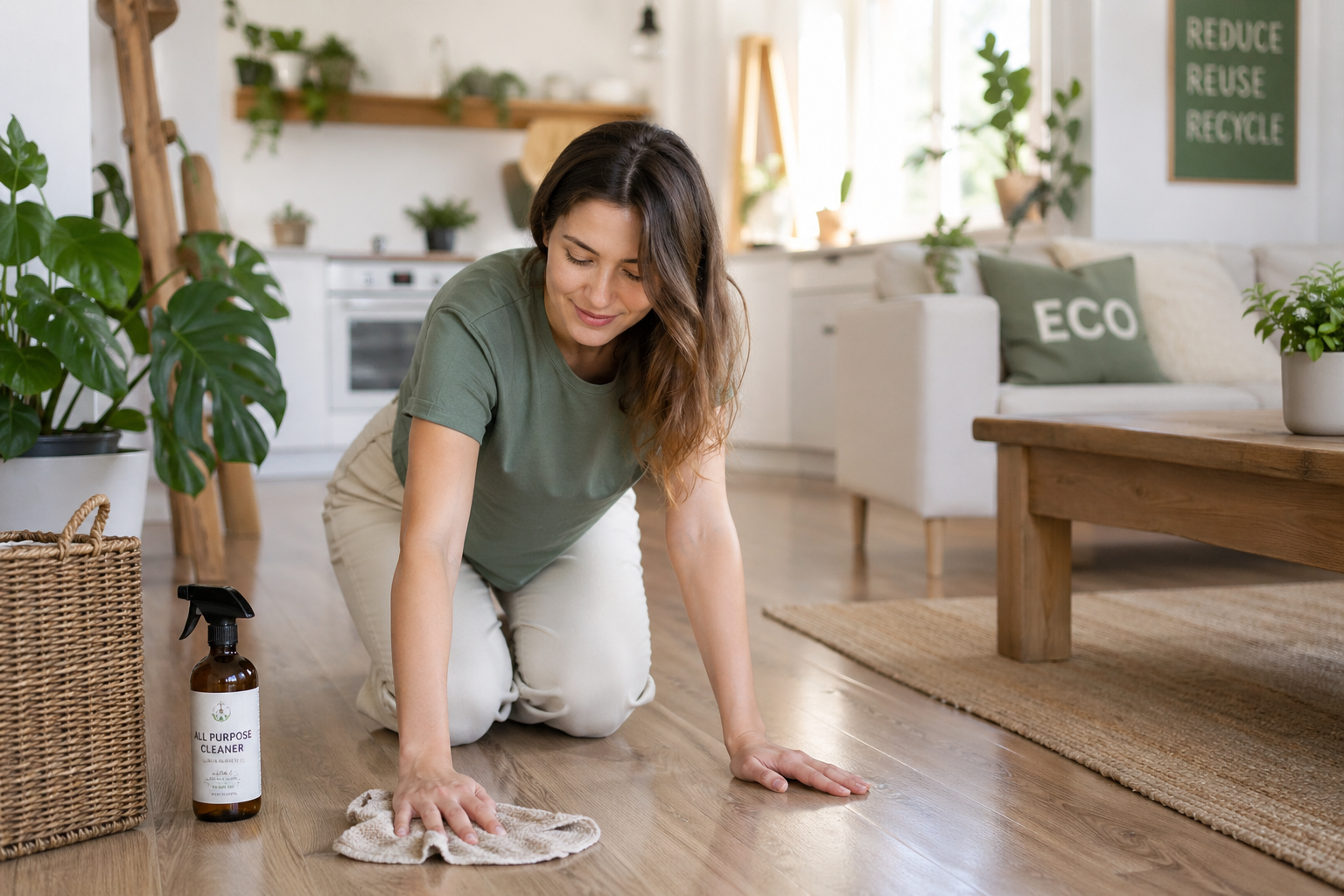

Features
Eco-Friendly Kitchen Deep Cleaning Tips for a Healthier Home

Something we have written a lot about at Blue and Green Tomorrow since Ryan took over the blog is how eco-friendly homeowners can take practical steps to maintain cleaner, healthier spaces without relying on harsh chemicals. You can apply the same mindset to deep cleaning your kitchen by focusing on natural solutions and mindful habits that reduce waste and exposure to toxins.
A report from American Home Shield states, “Currently, just 26 percent of homeowners say they live in a green home. Of that group, 77 percent made improvements themselves rather than buying green from the start. Energy-efficient appliances are the most common feature, present in more than two thirds of these homes. Over half have solar panels, and many also incorporate green landscaping, rain barrels, or architectural certifications like LEED. “
There are clear signs that homeowners are already taking steps toward greener living, and deep cleaning routines are a natural extension of those efforts. Keep reading to learn more.
Eco-Friendly Kitchen Deep Cleaning Basics
A survey from PwC highlights changing consumer behavior and notes, “But while consumers are focused on sustainability, they are also weighed by cost-of-living pressures. One-third (31%) of consumers cite inflation as the biggest risk to their consumption habits over the next year, while 62% cite the most significant increase in spending to be on groceries over the next six months as inflation drives the price of essential goods higher.” You can see that while many people care about sustainability, they are also balancing tight budgets when deciding how to clean and maintain their homes.
There are simple ways to deep clean a kitchen using items like vinegar, baking soda, and lemon, which help break down grease and remove odors without adding harmful residues. Something that makes this approach appealing is that these ingredients are often already in your pantry, which keeps costs down while still supporting eco-conscious goals. Another thing to consider is that reducing chemical cleaners can also improve indoor air quality, especially in smaller kitchens. It is also easier to maintain consistent habits when the process feels affordable and straightforward.
A kitchen rarely gets dirty all at once. It builds up slowly – grease in the air, dust, fingerprints. Then one day you touch a cabinet door – and it feels slightly sticky. That’s when it’s time to clean properly.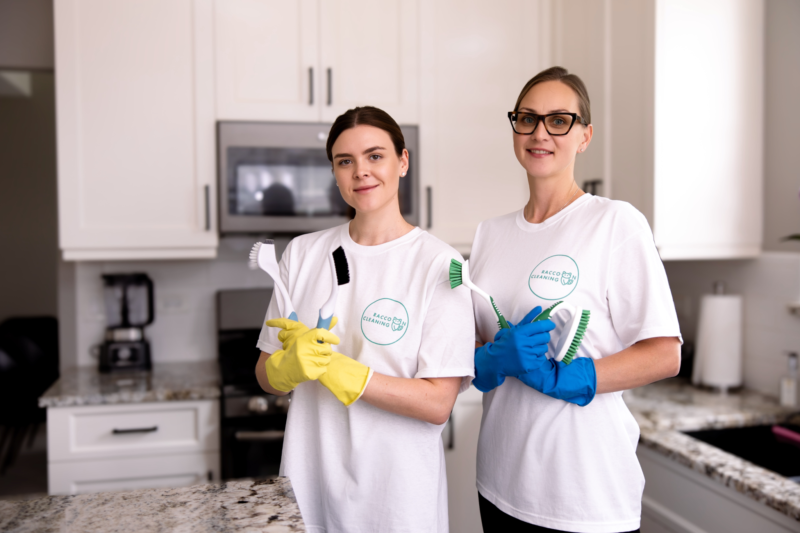
Start from the Top
Whatever is above will fall down anyway. Dust, grease particles, drops of cleaner. So if you start with the floor, you’ll clean it twice. Start high. Cabinets, hood, anything near the ceiling. It might feel slower, but it saves time.
The 30-Second Rule – Let Chemistry Work
We tend to scrub right away. That’s instinct. But proper cleaning works differently. Give the cleaner 30–60 seconds. That’s the time it needs to break down grease at a molecular level.
This matters most on the hood and on dried splashes on cabinets. If you rush, you end up scrubbing harder for no reason.
Cabinets – Where Grease Builds Up Quietly
If you’ve ever tried to deep-clean a kitchen after months of buildup, you know why some people eventually look into home cleaning in Naperville – not because they can’t do it, but because it takes time and patience to do it properly.
Cabinets rarely look dirty. That’s the problem. The buildup is thin, almost invisible. But you feel it right away. Don’t scrub harder. It doesn’t help. Use warm water with dish soap. Wipe once. Then go again, slower. Let the sponge sit for a few seconds before moving it. That’s what breaks the grease.
If the layer is older, add a bit of baking soda. It gives just enough texture without damaging the surface. Vinegar helps on glossy finishes. When you’re done, wipe everything dry. Otherwise, you’ll see streaks when the light hits.
Range Hood – Clean It First, Not Last
This is usually the point where people realize what professional cleaning services by Raccoon Cleaners actually do differently – they don’t rush this part, and that alone changes the result. Most people leave the hood for later. Or skip it. That’s a mistake. It collects everything – steam, oil, heat. Once you clean it, the difference is obvious. Remove the filters. Put them in hot water with dish soap. Leave them there. Come back in 15–20 minutes. Most of the grease will loosen on its own. For the surface, use a degreaser or vinegar mix. If it’s stainless steel, wipe in the direction of the grain.
Microwave – Use Steam, Not Force
Scrubbing dried food doesn’t work well. And it’s not needed. Put a bowl of water with lemon or vinegar inside. Heat it for a few minutes. Don’t open the door right away. Let the steam sit. Then wipe. One slow pass is usually enough.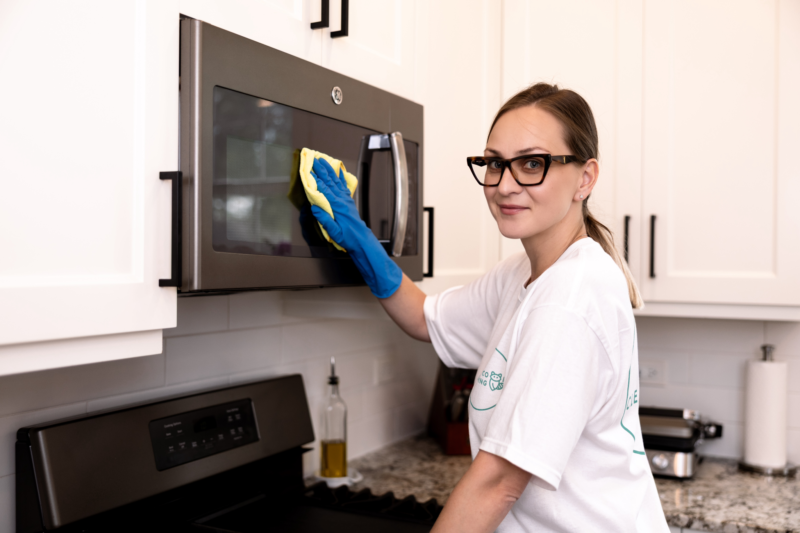
Fridge – Clean and Reset
Take everything out. This is where you see what you’ve been keeping for no reason – expired sauces, half-used containers, things no one will eat. Throw them out. Wash shelves and drawers in the sink. It’s faster and more thorough. Wipe the inside with water and vinegar or a mild baking soda solution. Don’t skip the door seal. It collects crumbs and moisture.
Counters and Backsplash – Move Everything
A quick wipe isn’t enough here. Move everything off the counter. Appliances, containers, all of it. Then clean. Start with water and dish soap. If the surface still feels sticky, go over it again with vinegar. Check the backsplash, especially behind the stove. Small splashes build up over time.
The Toothbrush Trick – Where Cloth Can’t Reach
There are spots no cloth can reach. The gap between the stove and the counter. Edges of oven handles. Tight corners around fixtures. Use an old toothbrush. Or a toothpick wrapped in a paper towel.
The Small Details That Actually Matter
Start with the things you touch the most. Cabinet handles. Light switches. Appliance buttons. Then check edges and hidden spots – under small appliances, inside toaster trays. These don’t take long. But skipping them is what makes a kitchen feel unfinished.
Baseboards – Quick but Visible
Baseboards don’t look important. But once they’re clean, the whole kitchen looks sharper. Use a damp cloth. Move along the length. In kitchens, it’s not just dust. It’s dust mixed with grease.
Floor – Always Last
By the time you reach the floor, you start noticing how different surfaces hold dirt differently – which is why people who’ve dealt with both kitchens and carpets often end up looking into carpet cleaning in Naperville to handle the kind of buildup that regular cleaning just doesn’t remove. By now, everything has fallen down. Start by removing loose dirt. Then mop. Focus on edges and corners – under cabinets, around the stove. Those areas matter more than the center.
Final Result
A deep-cleaned kitchen feels different. And once it’s done properly, keeping it clean takes very little time. A few minutes a day is usually enough. Until it builds up again – slowly, like it always does.
You can start by focusing on high-use areas like countertops, sinks, and stovetops, making sure to remove buildup with gentle scrubbing methods that protect surfaces. There are also benefits to tackling appliances like ovens and refrigerators with natural solutions, which help avoid lingering fumes.
Something that stands out is how eco-friendly cleaning is not just about the products you choose but also about how often and how thoroughly you clean. Another thing to keep in mind is that regular deep cleaning prevents buildup that would otherwise require stronger solutions later on. You can build a routine that fits your schedule while still maintaining a clean and sustainable kitchen environment.















Sustainable Commuting in Loveland: Balancing a Lower Carbon Footprint With Road Safety

What Separates a Career Shaping Environmental Policy From One Shaping Corporate Sustainability

The Human Primary Cells Behind Toxicology and Chemical-Safety Research

How Sustainable Business Has Changed in the Last Five Years: An Interview with Noa Shtang

The Green Traveler’s Guide to Bali Snorkeling and Diving – Low-Impact Ways to See the Reef

Why Eco-Tourists Choose the Liveaboard in Komodo

Eating Out Abroad? ePOS Systems Are Quietly Cutting Food Waste

PMS for Hotels Explained – The Hidden Software Making Your Stay Greener

The Eco-Case for a Liveaboard – Why the Greenest Way to See a Reef Might Be a Boat

Future-Proofing the Sustainable Workplace: Integrating Solar PV and Smart EV Infrastructure

 Features12 months ago
Top Agricultural Stocks to Watch
- Sustainability12 months ago
Sustainable Travel in Christchurch: A Greener Way to Explore
- Features12 months ago
Staying Healthy on the Road: Eco-Conscious Habits for Global Travelers
- Economy11 months ago
Repairing vs. Recycling: Why Fixing Delivers Bigger Gains