Antarctic sea levels rising above global average

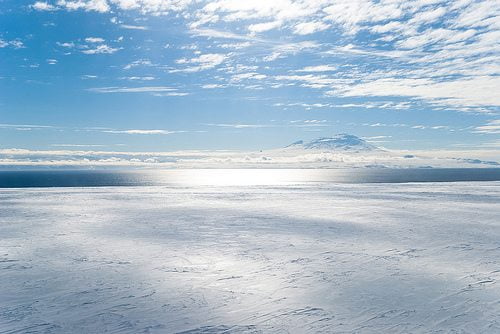
Sea levels around the coasts of Antarctica are rising faster than the global rate, caused by the accelerating melt of the continent’s ice sheets, a new study has found.
Studying satellite data gathered over the last 19 years, researchers from the University of Southampton found that Antarctic sea levels have risen by 2cm more than the global average of 6cm.
Caused by the melting of ice sheets and the thinning of floating ice shelves, this above average increase adds up to around 350 gigatonnes of freshwater, the researchers calculated.
These findings, which were also corroborated by computer simulations, could have global implications, the scientists warned.
“Freshwater is less dense than salt water and so in regions where an excess of freshwater has accumulated we expect a localised rise in sea level,” explained Craig Rye, lead author of the study.
“The computer model supports our theory that the sea-level rise we see in our satellite data is almost entirely caused by freshening from the melting of the ice sheet and its fringing ice shelves.
“The interaction between air, sea and ice in these seas is central to the stability of the Antarctic Ice Sheet and global sea levels, as well as other environmental processes, such as the generation of Antarctic bottom water, which cools and ventilates much of the global ocean abyss.”
The publication of these latest findings come shortly after another study reported that both Antarctica and Greenland have doubled their contribution to sea level rise since 2009. Researchers found that ice sheets in West Antarctica and Greenland are together losing around 500 cubic km of ice each year.
Recently, scientists also confirmed that the collapse of the West Antarctic ice sheet has begun and is now irreversible. This alone means global sea levels will inevitably rise by up to 4 metres (13ft).
Experts are convinced the accelerating melt is caused by manmade climate change, and warn that unless swift action is taken to curb rising temperatures, the threat to low-lying states and coastal cities will grow ever-more severe.
Photo: brookpeterson via Flickr

Further reading:
Study: Greenland and Antarctica are losing 500 km³ of ice per year
Soloman Islands town to relocate 1,000 people to escape climate change
Rapid melting of world’s glaciers proven to be man-made
Melting Antarctica poses risk to coastal megacities
World Refugee Day: campaign demands help for ‘human face of climate change’
How we put this together

- Published
- Sources
- Primary reporting
- Standards
- About
Keep moving along the spectrum
The same desk, then neighbouring desks along the brand spectrum.





