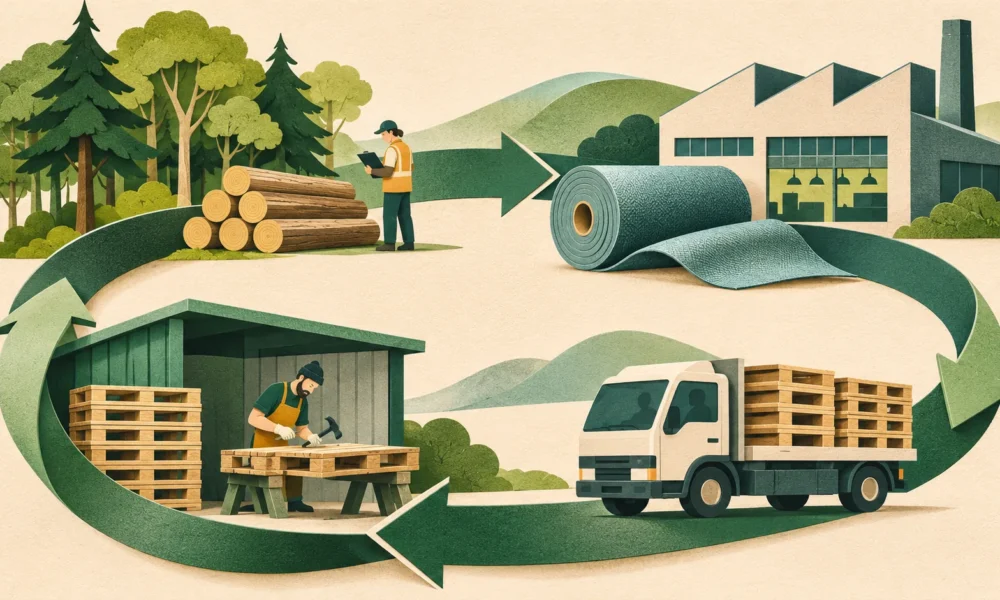
Buying Secondhand: How Used Construction Equipment Reduces Environmental Impact

Construction is a resource-intensive industry with a large environmental footprint. Heavy machinery production, fuel consumption, and waste all contribute to pollution and emissions. One way to reduce this impact is to extend the life cycle of equipment through reuse. Purchasing used construction equipment can significantly limit environmental damage by reducing demand for new manufacturing and preventing early disposal.
Lower Emissions from Reduced Manufacturing
Producing new construction equipment consumes raw materials such as steel, aluminum, and plastic. It also requires energy for fabrication, assembly, and transportation. These processes generate emissions that contribute to climate change. Choosing used equipment avoids many of these emissions by reusing existing machines rather than introducing new ones into the market. Even partial reuse of equipment components lowers the environmental cost associated with manufacturing.
Waste Reduction and Landfill Diversion
Discarded construction equipment often ends up in landfills or scrapyards, where it takes up space and may contribute to soil and water pollution. Extending the life of machinery through resale or refurbishment delays its disposal and helps reduce overall construction waste. Fewer machines being retired means fewer environmental hazards from old fuel systems, hydraulic fluids, and heavy metals.
Conserving Natural Resources
Mining and processing raw materials for equipment fabrication require water, land, and fossil fuels. Opting for used machines helps conserve these natural resources. It also encourages more sustainable practices across the supply chain by supporting circular economy principles. When companies regularly seek out used equipment instead of defaulting to new purchases, manufacturers are more likely to develop repairable and recyclable designs.
The Role of Auctions
One effective channel for acquiring secondhand equipment is a used machinery auction. These events provide access to functional machines at a lower cost, while also promoting equipment reuse across industries. Auctions help redistribute equipment that might otherwise remain idle, accelerating the reuse process and reducing storage-related deterioration.
Choosing used construction equipment is a practical and impactful way to limit environmental harm. Through decreased manufacturing, reduced waste, and conservation of raw materials, this decision supports more sustainable operations within a sector that has long struggled with resource consumption. Businesses that prioritize secondhand purchases play a part in reducing the environmental load of construction projects. Look over the accompanying resource for more information.

How we put this together
Claire Bassham served as head of global communications at the responsible investment research firm EIRIS. Since 2013, she has contributed 30 articles to Blue & Green Tomorrow examining banking ethics, corporate ESG reporting software, electric freight trucks, and lower-waste building materials.
- Published
- Sources
- Primary reporting
- Standards
- Corrections policy · About · Report an error
Keep moving along the spectrum
The same desk, then neighbouring desks along the brand spectrum.