Environment
How Paperless Payroll Helps Cut Business Carbon Emissions

Blue and Green Tomorrow focuses on practical climate choices that businesses can make without disrupting day-to-day work, and payroll is one of the clearest places to start. You can reduce waste and emissions by rethinking how pay stubs, tax forms, and internal approvals move through your company.
Adam Zaki of CFO Magazine wrote last June that a recent survey found 90% of small and medium sized business leaders expect to be paperless within the next five years. There are clear signals in this shift that payroll is often one of the first systems companies target when reducing paper use. It is a moment that shows how environmental goals and operational decisions often meet in ordinary business processes, and Keep reading to learn more.
How Paperless Payroll Connects to Carbon Reduction
You can look at payroll as a repeating monthly or biweekly activity that quietly consumes paper, ink, envelopes, and shipping resources. Something that often gets overlooked is how each printed pay stub or form carries a carbon cost long before it reaches an employee.
Mark Segal of ESG Today reported a year and a half ago that 85% of businesses increased investments in sustainability, reflecting a broad shift in how companies view their responsibilities. There are many reasons behind this trend, including cost pressures and employee expectations. Another thing that stands out is how internal systems like payroll offer fast results because changes can be applied across the entire workforce at once.
You can also connect paperless payroll to energy use inside office buildings, where printers, copiers, and storage areas all draw power. There are fewer machines running when digital records replace filing cabinets and printed backups. It is a change that reduces material demand while also cutting down on ongoing electricity use.
The Terrapass blog reports that small and medium sized businesses contribute significantly to climate change, with U.S. SMEs emitting 272 million tonnes of CO₂e per year, representing 33% of commercial building emissions. There are many sources behind this figure, from heating and cooling to everyday office practices. Something that matters here is that payroll touches nearly every employee, making it a meaningful lever for reducing routine emissions.
You can see how paperless payroll also affects supply chains tied to paper production, transport, and disposal. Another thing that comes into focus is how digital delivery removes the need for physical storage and shredding, both of which carry environmental costs.
You may already be taking steps to cut emissions through lighting or remote work, yet payroll often remains unchanged out of habit. It is a reminder that small administrative choices can add up when they repeat across months and years.
You can think of going paperless in payroll as a quiet but steady way to shrink your company’s carbon footprint without adding complexity for employees. There are clear links between fewer printed materials and lower emissions that make this shift a practical climate action.
Something that stands out about paperless payroll is how it supports long-term environmental goals while fitting naturally into existing workflows. You can reduce waste, limit energy use, and contribute to broader sustainability efforts simply by changing how pay information is shared.
Sustainability has become more than a buzzword for modern businesses. Companies of all sizes are being asked to reduce waste, conserve resources, and adopt environmentally responsible practices. While many organizations focus on cutting energy use or reducing travel, one overlooked area with significant environmental impact is payroll. Traditional paper-based payroll systems rely on printed checks, physical files, envelopes, and storage space that quietly add to a company’s carbon footprint.
By transitioning to a paperless payroll process, businesses can reduce waste, lower emissions, and streamline operations at the same time. The shift not only benefits the environment but also improves efficiency, security, and employee satisfaction.
The Environmental Cost of Paper Payroll
Paper payroll processes require far more resources than most teams realize. Each pay cycle typically involves printed paychecks or statements, time sheets, tax forms, reports, and employee records. These documents must be printed, distributed, mailed, and eventually stored or shredded.
All of this comes with environmental consequences. Paper production consumes trees, water, and energy. Printing uses ink and electricity. Mailing documents requires transportation, which contributes to greenhouse gas emissions. When multiplied across dozens or hundreds of employees over multiple pay periods, the environmental impact grows quickly.
For example, a company with 100 employees paying biweekly could easily produce over 2,600 paper pay statements per year. Add tax forms and supporting documentation, and the number climbs even higher. Eliminating these recurring print jobs makes a meaningful difference.
How Paperless Payroll Supports Sustainability Goals
Moving payroll operations online reduces the need for physical materials and cuts waste at the source. Instead of printing documents, payroll information is stored, shared, and accessed digitally.
This change directly supports sustainability goals in several ways:
First, it reduces paper consumption. Fewer printed documents means fewer trees harvested and less water and energy used during manufacturing.
Second, it lowers transportation emissions. Digital delivery removes the need for mail trucks or courier services to distribute checks and forms.
Third, it minimizes office waste. Companies generate less trash from envelopes, toner cartridges, and outdated files.
These improvements align with corporate environmental, social, and governance initiatives that many stakeholders now expect from responsible organizations.
Digital Pay Stubs and Online Access
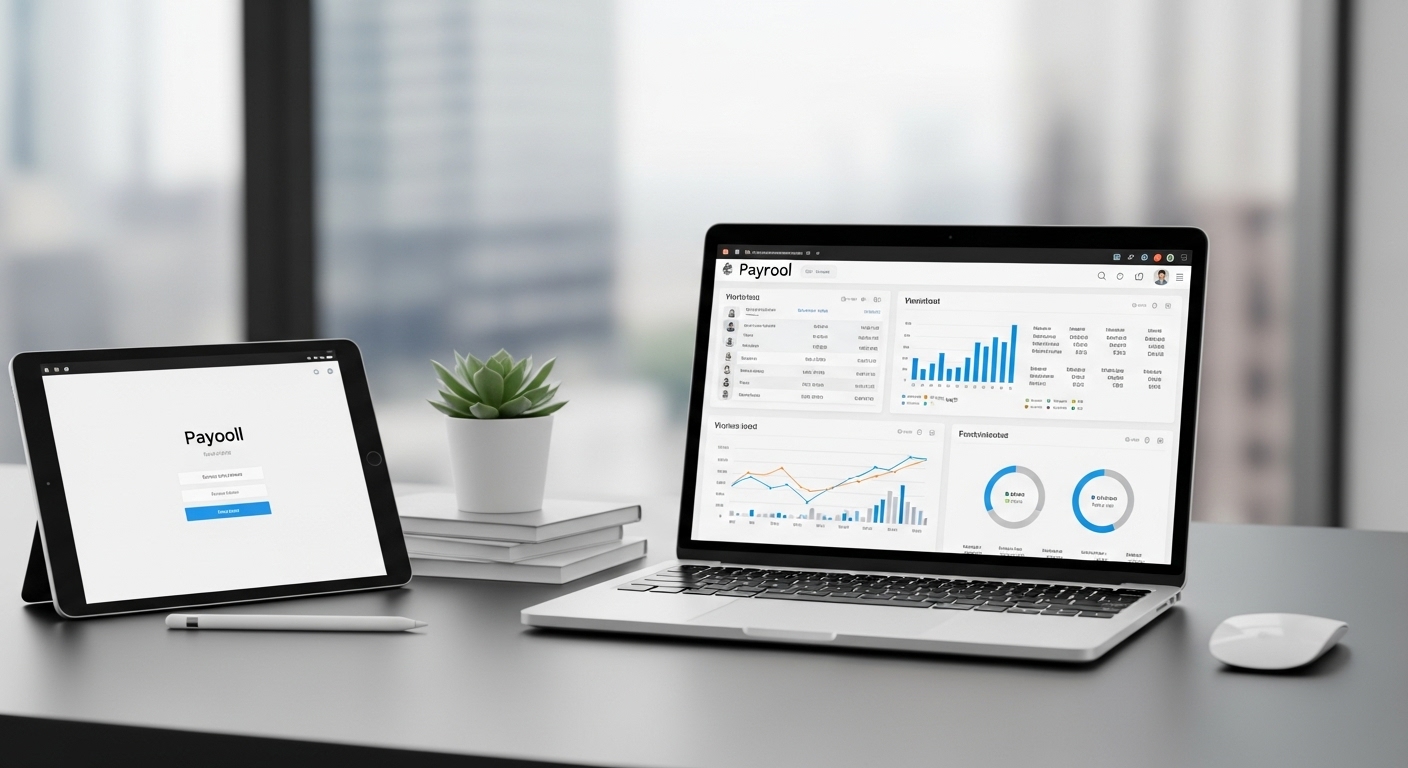
One of the easiest ways to go paperless is by replacing printed pay stubs with digital versions. Employees can log into a secure portal to view their earnings, deductions, and tax information anytime.
Using pay stub templates online helps payroll teams standardize formatting while eliminating the need to print or manually prepare statements. These templates simplify calculations and allow HR staff to generate accurate records in seconds. More importantly, they ensure that employees receive the same information they would on paper without the environmental cost.
Digital access also improves convenience. Employees no longer worry about losing documents or waiting for mail delivery. Everything is stored securely and available on demand.
Less Storage and Office Space
Paper payroll systems often require filing cabinets, boxes, and even dedicated storage rooms to maintain compliance with record retention laws. Over time, these physical archives consume valuable office space and resources.
By digitizing payroll records, companies reduce the need for storage furniture and climate-controlled rooms. Electronic files take up no physical space and are easier to organize, search, and back up.
This reduction in space can also decrease energy consumption. Smaller storage needs mean less lighting, cooling, and heating, which lowers overall electricity use and supports a greener workplace.
Improved Accuracy Means Less Waste
Errors in paper-based payroll often lead to reprints, corrections, and duplicate forms. Each mistake creates additional waste and requires extra time and materials to fix.
Automated payroll platforms significantly reduce these issues. Built-in calculations and validation checks help prevent errors before they happen. When adjustments are needed, updates can be made digitally without printing new documents.
Tools to generate digital pay stubs further streamline the process by allowing payroll teams to create and distribute records electronically with just a few clicks. This efficiency reduces both resource consumption and administrative workload.
Security and Compliance Benefits
Going paperless is not just good for the planet. It is also safer for sensitive information. Physical payroll documents can be lost, stolen, or damaged. Filing cabinets and mailrooms are not always secure.
Digital payroll systems use encryption, password protection, and access controls to protect employee data. Secure backups ensure records are preserved without relying on physical copies. This reduces the risk of data breaches while eliminating the need to print confidential documents.
Compliance becomes easier as well. Digital systems automatically store records and maintain audit trails, which reduces the likelihood of missing paperwork or noncompliance penalties.
Encouraging a Culture of Sustainability
When employees see their company adopting paperless practices, it sends a strong message about environmental responsibility. Small operational changes can inspire broader sustainable behavior across departments.
Teams may start reducing printing in other areas, using digital signatures, or embracing remote collaboration tools. Payroll can serve as a practical starting point that demonstrates how technology supports both efficiency and sustainability.
Over time, these habits contribute to a culture that values conservation and mindful resource use.
Getting Started With Paperless Payroll
Transitioning to paperless payroll does not have to be complicated. Start by evaluating current processes and identifying where paper is still being used. Replace printed pay stubs with digital delivery, adopt electronic time tracking, and store tax documents securely online.
Choose payroll software that integrates automation, cloud storage, and employee self-service features. Provide training to ensure staff and employees are comfortable with the new system.
Even gradual steps can lead to noticeable environmental benefits.
Final Thoughts
Reducing a company’s carbon footprint does not always require sweeping changes. Sometimes, meaningful impact comes from improving everyday operations. Payroll is a perfect example. By eliminating paper, cutting transportation, and embracing digital tools, businesses can lower costs, improve efficiency, and support sustainability at the same time.
Going paperless in payroll is a practical move that benefits both the planet and your bottom line. As more organizations commit to greener practices, digitizing payroll is one simple step that delivers lasting results.













Are 4-in-1 Taps Worthwhile for Eco-Friendly Homes?

Pedestrian and Bicycle Accidents in Chicago’s Crowded Urban Areas

Neel Somani Discusses the Energy Market Design and How Pricing Actually Works

Eco-Friendly Landscaping: How Homeowners go Green Outdoors

Do You Need Solar Panels for Whole Home Battery Backup?

Collisions Involving Sudden Door Openings from Parallel-Parked Cars

Eco-Friendly Workplaces and Storm Attendance Challenges

How Educational Administration Degrees Support Greener Schools

How Proactive Crisis Planning Supports Safer and More Sustainable Operations

Safeguarding What Cannot Be Replaced: Managing Irreplaceable Assets In Agriculture
How Educational Administration Degrees Support Greener Schools
Collisions Involving Sudden Door Openings from Parallel-Parked Cars
Do You Need Solar Panels for Whole Home Battery Backup?
Eco-Friendly Workplaces and Storm Attendance Challenges
Eco-Friendly Landscaping: How Homeowners go Green Outdoors
Neel Somani Discusses the Energy Market Design and How Pricing Actually Works
Pedestrian and Bicycle Accidents in Chicago’s Crowded Urban Areas
Are 4-in-1 Taps Worthwhile for Eco-Friendly Homes?

 Features12 months ago
Eco-Friendly Cryptocurrencies: Sustainable Investment Choices
- Energy11 months ago
Growth of Solar Power in Dublin: A Sustainable Revolution
- Energy11 months ago
Renewable Energy Adoption Can Combat Climate Change
- Environment11 months ago
The Sustainable use of Natural Resources: XP Upgreen by Expert Petroleum