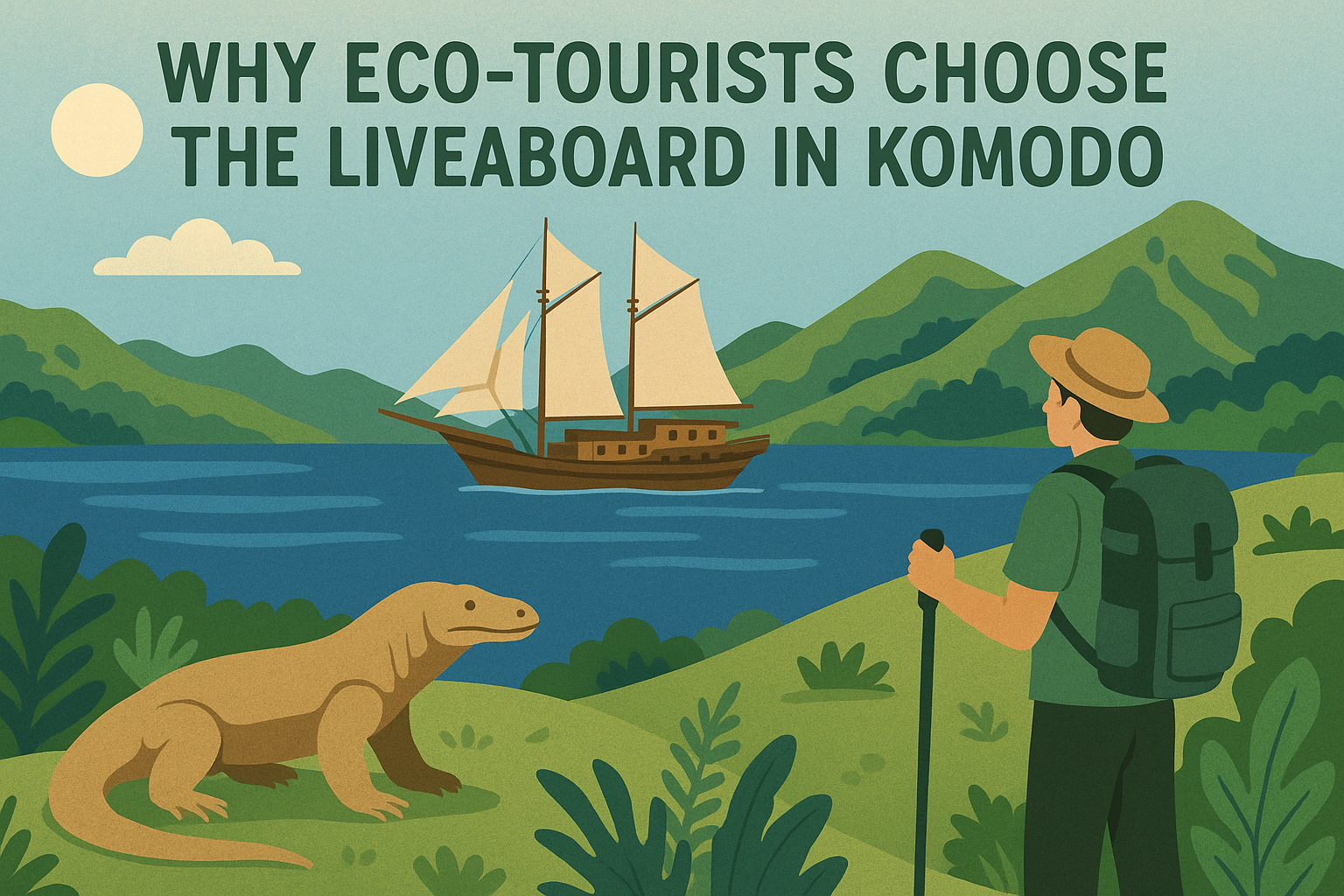

Booking a Komodo liveaboard is the most effective choice for eco-friendly travel because it eliminates the need for permanent, resource-heavy land resorts in this fragile ecosystem. This volcanic sanctuary in eastern Indonesia shelters the world’s last wild Komodo dragons on land and some of the ocean’s most diverse coral reefs below. For visitors aiming to minimize their footprint, skipping coastal hotels and choosing to sleep on a vessel avoids contributing to heavy shoreline development.
Finding the right operator requires careful planning, as the park features complex currents and sensitive marine reserves. Eco-conscious travelers evaluate sailing seasons, read up on park zoning rules, and verify the environmental records of local companies. For those planning a trip, Komodoresort.com serves as a helpful reference; as an established dive resort located on Sebayur Island, they operate dedicated boats for Komodo scuba diving excursions while managing their own local coral conservation efforts. No matter which provider you choose, confirming that an operator respects park boundaries is the most critical step for anyone focused on protecting the local environment.
The Footprint Question Nobody Asks on Holiday
Heavy land infrastructure silently alters coastlines. Concrete roads, resort buildings, seawalls, and wastewater systems disrupt fragile island ecosystems first. Choosing to stay on a mobile vessel offers a practical alternative for sustainable travel, bypassing the demand for shore-based development entirely.
A well-run ship leaves no permanent structural footprint because it requires no cleared shoreline or concrete foundations. These vessels typically host only eight to sixteen guests per voyage, keeping group sizes small. Because they sail between multiple moorings, they distribute human presence across a wider area rather than concentrating daily impact on a single beach. Most importantly, reputable operators pay direct park fees that fund local conservation patrols.
However, boat travel is not automatically impact-free. Ships consume fuel, and irresponsible crews might drop anchors directly on coral or discharge untreated waste into marine protected areas. Thoughtful travelers must look past marketing claims and choose operators who actively demonstrate responsible practices on the water.
Choosing the Best Komodo Liveaboard for Conservation
The fleet of vessels operating in the region ranges from traditional wooden phinisi schooners to highly modern dive yachts. Finding the best Komodo liveaboard for your trip means looking closely at how each crew handles waste and protects the reef. A few distinct habits separate environmentally responsible operators from standard tours.
When evaluating different operators, travelers should look for several specific operational standards:
- A strict policy of using established mooring buoys instead of dropping metal anchors on delicate reefs.
- Advanced onboard waste management systems that store blackwater and greywater for proper disposal away from marine reserves.
- Small dive groups guided by certified professionals who enforce reef-safe behavior and a strict no-touch policy.
- A commitment to hiring local Indonesian crew members, paying fair wages, and sourcing food from nearby communities.
You can easily verify these practices by emailing the charter company before sending a deposit. Companies that prioritize ecology will gladly provide detailed explanations of their waste policies and local sourcing. This straightforward vetting process works well across the wider Indonesian archipelago, helping travelers find responsible cruising operations from the Lesser Sunda Islands to Raja Ampat.
Why Komodo Scuba Diving Deserves This Level of Protection
The extraordinary biodiversity of the region makes these extra travel preparations entirely worthwhile. Komodo scuba diving remains legendary because powerful Pacific currents channel rich nutrients through the deep straits, feeding vast coral gardens and attracting dense schools of pelagic life. In fact, according to local marine data, the park supports 260 species of hard coral and over 1,000 species of reef fish in a relatively compact geographic footprint.
Divers regularly encounter large reef manta rays feeding at cleaning stations, often in groups of a dozen or more. The park’s reefs also support thriving populations of green sea turtles, reef sharks, and colorful schools of fusiliers that can literally block out the sunlight. Because of this variety, the dive sites range from calm, shallow bays to high-speed drift dives suitable for advanced divers.
This thriving marine habitat exists because of strict park regulations, ranger patrols, and zoning laws. Visitor entrance fees directly fund these conservation efforts. By choosing licensed operators, divers act as financial partners in preserving this ecosystem for future generations.
Land Still Has Its Place
Staying at land-based resorts is also a viable option. The gateway town of Labuan Bajo offers diverse accommodations, ranging from simple budget guesthouses to modern hillside boutique hotels. Many low-density properties on the surrounding islands now implement strict ecological standards to minimize their carbon footprints, utilizing local solar arrays and greywater recycling.
A ship-based stay is ideal if diving is the main focus of your trip and you want to avoid permanent shore infrastructure. Land bases work best for families, travelers on a budget, or those who prefer daily flexibility. Many experienced visitors combine both options, spending a few nights in town before embarking on a short cruise.
Going ashore is also necessary to see the park’s famous terrestrial wildlife. A professional guided tour of Rinca or Komodo Island allows you to walk along managed trails with park rangers to observe the dragons safely. Sticking to designated paths prevents soil erosion and respects the natural behavior of these giant reptiles.
Booking With a Lighter Conscience
To help preserve this delicate destination, the Indonesian Ministry of Forestry enacted a strict 1,000-person daily visitor cap on April 1, 2026, designed to prevent habitat degradation from overtourism. This regulation follows a year of heavy crowds where 429,509 tourists visited the park in 2025. Because of these tight limits, booking your trip several months in advance is essential to secure necessary entry permits.Destination Island Key Protected Resource Daily Visitor Cap (Effective April 2026) Komodo Island (Loh Liang) Terrestrial dragon nesting grounds 400 to 500 visitors per day Rinca Island (Loh Buaya) Savannah habitats & dragon populations 300 to 400 visitors per day Padar Island Volcanic peak trails & viewpoints 200 to 300 visitors per day
Source: Indonesian Ministry of Forestry 2026 Allocation Study
Frequently Asked Questions
What are the new visitor limits for Komodo National Park?
As of April 1, 2026, the Indonesian government caps total park visitors at 1,000 people per day across major land and marine sites. Travelers must pre-book their permits online through the authorized SiOra system, often arranged directly by your liveaboard operator.
How does a liveaboard help protect the marine environment?
A liveaboard reduces the demand for shore-based hotels, which prevents coastal land clearing, habitat destruction, and direct run-off into delicate coral reefs. Responsible boats also utilize fixed mooring buoys rather than anchors, keeping the underlying seafloor undamaged.
When is the best time of year to visit Komodo for diving?
The dry season from May to September offers the calmest seas and highest visibility, making it the peak window for scuba diving. However, traveling during the shoulder months of April and October provides quieter dive sites and more flexible booking availability under the daily visitor cap.
Choosing a responsible Komodo liveaboard represents a constructive vote for the future of Indonesian marine conservation. By selecting a crew that respects local carrying capacities, uses established moorings, and supports the local economy, travelers secure an incredible wildlife experience while keeping these globally unique coral reefs and island habitats intact.











Occupational Safety’s Overlooked Role in Environmental Accountability

Sustainable Commuting in Loveland: Balancing a Lower Carbon Footprint With Road Safety

What Separates a Career Shaping Environmental Policy From One Shaping Corporate Sustainability

The Human Primary Cells Behind Toxicology and Chemical-Safety Research

How Sustainable Business Has Changed in the Last Five Years: An Interview with Noa Shtang

The Green Traveler’s Guide to Bali Snorkeling and Diving – Low-Impact Ways to See the Reef

Why Eco-Tourists Choose the Liveaboard in Komodo

Eating Out Abroad? ePOS Systems Are Quietly Cutting Food Waste

PMS for Hotels Explained – The Hidden Software Making Your Stay Greener

The Eco-Case for a Liveaboard – Why the Greenest Way to See a Reef Might Be a Boat

 Features12 months ago
Top Agricultural Stocks to Watch
- Features12 months ago
Staying Healthy on the Road: Eco-Conscious Habits for Global Travelers
- Economy11 months ago
Repairing vs. Recycling: Why Fixing Delivers Bigger Gains
- Energy9 months ago
Where The Wind Falters: Key Challenges In Wind Turbine Blade Repair