RBS to give £3.5m in shares to top executives

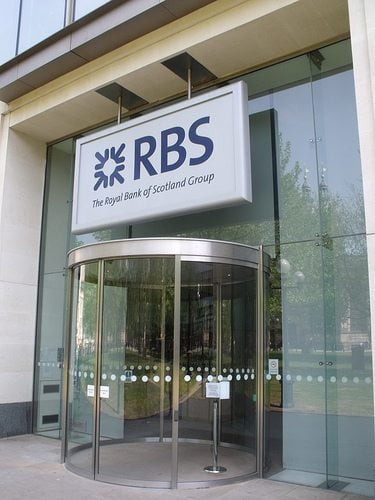
The Royal Bank of Scotland (RBS) has revealed plans to give 10 top executives £3.5 million worth of shares, in a move to avoid strict EU rules on bonuses within the banking industry.
RBS, which remains 81% owned by the taxpayer after being bailed out during the financial crisis, reported losses of £8.2 billion for 2013. The bank linked the losses to restructuring costs and misconduct fines. The government blocked plans for RBS to pay bonuses twice the size of employees’ salaries earlier this year.
EU rules mean that bankers can only be paid annual bonuses worth the equivalent of one year’s salary, or double the employee’s salary if shareholders approve the remuneration package.
The bank has previously commented that it needs to be able to compete with rival banks when it comes to remuneration or face losing top talent. However, the government has argued that the amount paid out in bonuses should not rise while the bank is still recovering.
Rory Cullinan, the head of RBS’s ‘bad bank’, will receive the biggest payouts, gaining shares worth around £530,000, the equivalent of 100% of his salary so far. Chief executive of RBS Ross McEwan waived his 2014 bonus for an 18-month period.
Since the financial crisis the culture at banks, and in particular, bonuses, has come under strong scrutiny. It was revealed last month that bankers could face tougher regulations, including bonus clawbacks. Regulators proposed that firms are required to defer payment of variable remuneration for a minimum of five to seven years, in order to increase the alignment between risk and reward over the longer term.
The plans also suggests that bankers could have their bonuses taken off them, even after they have been paid, if risk management or conduct failing come to light at a later date.
Photo: Elliott Brown via Flickr
Take our 2014 reader survey and you could win an iPad, Kindle or donation to a charity of your choice.
Further reading:
RBS need to run, not walk, to become an ethical banking leader
RBS bonuses blocked by government
RBS shares down 7.7% after biggest loss since 2008
RBS reports losses of £8.2bn – and employee bonuses of £576m
RBS and WPP latest firms to face investor anger over executive pay
How we put this together

- Published
- Sources
- Primary reporting
- Standards
- About
Keep moving along the spectrum
The same desk, then neighbouring desks along the brand spectrum.





