Planning reforms threaten ancient woodlands
<h4>The Woodland Trust says that over 200 ancient woods are currently under threat from development because of proposed changes to planning reform laws, and more could be at risk.</h4> <p>Overall, 630 ancient woods have been threatened by development sites, such as roads, in the past decade says the Woodland Trust. The campaigners also say that 111 sites have been lost because of weaknesses in the planning policy.</p>
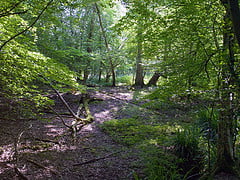
The Woodland Trust says that over 200 ancient woods are currently under threat from development because of proposed changes to planning reform laws, and more could be at risk.
Overall, 630 ancient woods have been threatened by development sites, such as roads, in the past decade says the Woodland Trust. The campaigners also say that 111 sites have been lost because of weaknesses in the planning policy.
The new concerns have been prompted by the Government’s planning policy reforms that it insists need to be made to boost economic growth and to make the system clearer.
Sue Holden, chief executive of the Woodland Trust, said to the Press Association, “The statement given by the Prime Minister’s spokesman this week, in which he said a relentless focus on growth must be at the forefront of any forthcoming policy decisions, is cause for concern if the environment is not given equal consideration.
“Ancient woodland is rare, irreplaceable and home to more wildlife of conservation concern than any other land habitat.”
Campaigners are worried because although the National Planning Policy Framework (NPPF) states that planning permission should not be given if it will lead to the loss of irreplaceable woods and habitats, there is a get out clause that states “unless the need for, and benefits of, the development in that location clearly outweigh the loss”. Meanwhile, the Government has given reassurances that it is committed to protecting the natural environment.
Back in November, the Environmental Audit Committee (EAC) sent a letter to the Prime Minister to expressing its concerns about the new framework for the policy, calling it “contradictory and confusing”.
On a positive note, this year has already seen plenty of recognition about the need for trees in general, with several campaigns urging people to take action. Trees for Cities started in 2012 with a resolution to get help from people to plant 20,000 trees this year to help improve the urban environment.
Another group of campaigners called Our Forests say England needs to return to a time when 15% was covered in trees, which means planting one billion by 2050. And the Woodland Trust is marking the Queen’s diamond jubilee this year by planting six million trees, which it is well on its way to achieving, having already planted one million. However, although such schemes returns us to a green and pleasant land, they cannot account for the loss of ancient woodlands – at least, not any time soon.
If you want to know more about making secure investments in sustainable projects then talk to your IFA. If you don’t have an IFA then use our online form and we’ll connect you with a specialist ethical adviser.
Related articles:
Reforms to the planning system by David Cameron are ‘confusing’
2012 resolution to get more trees in our cities
England’s tree population needs to return Domesday levels
Picture source: Shaun Dunphy
How we put this together
Charlotte Reid is a UK broadcast journalist and newsreader in the BBC Radio newsroom, where she writes and reads bulletins for Radio 2, Radio 4, Radio 3, and 6 Music after earlier newsroom roles at Lincs FM Group and Sheffield Live. She began reporting for Blue & Green Tomorrow in 2011. Across 171 articles, she has covered UK renewable energy policy, climate risk for insurers, recycling, and ethical finance.
- Published
- Last updated
- Sources
- Primary reporting
- Standards
- Corrections policy · About · Report an error
Keep moving along the spectrum
The same desk, then neighbouring desks along the brand spectrum.





