Two-thirds of Chinese identify themselves as ‘environmentalists’
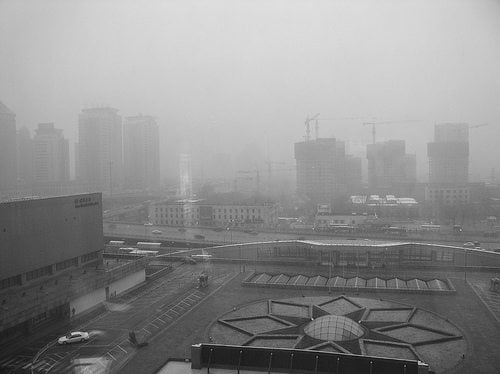
In China, a country now plagued with infamous pollution problems, 64% of people identify themselves as environmentalists, while in Europe and the US, environmental concern is slipping down the agenda, according to a new study.
A survey by Dutch research institute Motivaction International found that the proportion of Chinese people who think of themselves as green is more than double that of Europe and the US.
The survey asked more than 48,000 respondents in 20 countries to what degree they agreed with the statements: “I try to live eco-consciously”; “I worry about the damage people cause to the planet”; and “I am an environmentalist”.
Motivaction found that not only did far more people agree with these statements in China, but it also found that the people that did held different values from their western counterparts.
The report said the US and Europe were home to a “cosmopolitan environmentalism“, a movement now made up largely of liberal and highly educated members.
The report suggests the financial crisis and post-9/11 security fears were responsible for knocking the environment further down the list of voters’ concerns.
One separate report, published in November by the Environmental Funders Network, found that 4.5 million people in Britain are members or supporters of environmental groups – roughly 7% of the population.
However, most Chinese environmentalists said they were socially conservative and often affiliated with pro-business groups.
The researchers noted that Chinese people generally believe that businesses, the banking sector and technological innovation hold the key to solving environmental problems.
While China’s land may be fertile for green concerns, much of it is not fertile for much else.
In recent weeks it has been revealed that almost 60% of the country’s groundwater is polluted, while one-fifth of its arable land is contaminated by toxic inorganic pollutants, such as nickel, mercury, arsenic, and lead.
Air pollution levels in many parts of the country also frequently exceed the levels considered dangerous for human health by the World Health Organisation (WHO).
Many major cities are often choked by smog, caused by traffic and coal emissions, that forces citizens to stay indoors while causing respiratory diseases and reducing life expectancy.
However, as the report notes, the Chinese government have recognised the anger of its citizens and responded with new environmental policies.
Though it is currently the world’s biggest carbon emitter, China is now also the world’s biggest investor in green technology.
A WWF report published in February estimated that China could generate 80% of its electricity from renewable sources by 2050.
Photo: Kevin Dooley via Flickr
Further reading:
China updates environmental law to target polluters
China reveals nearly 60% of its groundwater is polluted
One-fifth of China’s farmland polluted
Beijing issues first ‘orange’ pollution warning amid smog crisis
Chinese coal pollution ‘responsible for 250,000 deaths’ in 2011
How we put this together
Blue & Green Tomorrow's editorial desk reports on ethical investment, clean energy, and sustainable living.
- Published
- Sources
- Primary reporting
- Standards
- Corrections policy · About · Report an error
Keep moving along the spectrum
The same desk, then neighbouring desks along the brand spectrum.





