Australian National University divests from fossil fuels amid government criticism

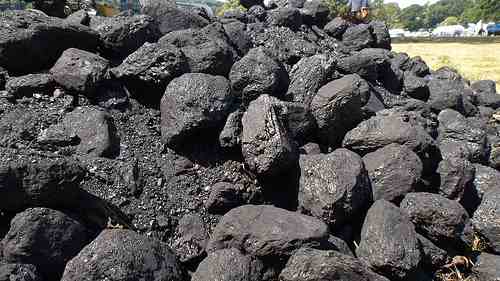
Australian National University (ANU) has become the first Australian university to divest from fossil fuels on ethical grounds, gaining support from the public and its students but facing criticism from the country’s powerful industry.
The university’s council announced it would divest $16 million (£8.6m) from seven companies following a review of environmental, social and governance (ESG) criteria.
The companies involved are Iluka Resources, Independence Group, Newcrest Mining, Sandfire Resources, Oil Search, Santos and Sirius Resources. They made up around 1% of the university’s total investment holdings.
The fossil fuel divestment movement is gaining popularity across the world, with universities and churches dropping shares as these industries not only cause environmental damage by worsening climate change, but might also become financially risky once climate policies are in place – leaving investors with ‘stranded assets’.
While the move has been widely supported by students and the public, it was met with criticism by the power sector and even the government.
ANU’s vice chancellor Professor Ian Young said the university needed to invest in a more diversified energy portfolio, as he felt fossil fuels would be out of the equation in 20 or 30 years.
Young said in a comment piece on the Age, “There has been growing sentiment from our community to not just get a good financial return from our investments but also to invest in companies which would have activities consistent with the goals of the university, and do not manifestly cause social harm.
“Although the ANU has been attacked for it decision, we are simply part of a much bigger debate about carbon and carbon pricing.”
But industry groups and – surprisingly – ministers and members of the coalition government have attacked the university for its decision, defining it “very strange”, “reckless”, “a disgrace”, “narrow-minded and irresponsible”.
Treasurer Joe Hockey said the school should reverse its decision.
“I would suggest they’re removed from the reality of what is helping to drive the Australian economy and create more employment. Sometimes the view looks different from the lofty rooms of a university”, he said.
Assistant infrastructure minister, Jamie Briggs added, “This seems to be taking green activism to a new level where it is damaging Australian companies and potentially job creation in the country.”
But the university received widespread support for its decision from both students and financial analysts, who pointed out that investors have the right and freedom to do what they want with their investments.
Photo: oatsy40 via flickr

Further reading:
Australian city council divests from fossil fuels
Sydney University launches review of fossil fuel investments
Western Australia church to divest from fossil fuels
How we put this together

- Published
- Sources
- Primary reporting
- Standards
- About
Keep moving along the spectrum
The same desk, then neighbouring desks along the brand spectrum.