Report: majority of large investors failing to manage climate risks

Many of the world’s largest investors are continuing to make a “big gamble” on accelerating climate change by investing in carbon intensive assets, according to a report from the Asset Owners Disclosure Project (AODP). The index suggests only a small minority of funds are shifting investments for a safer, low-carbon world.
The Global Climate 500 Index lists the climate performance of the world’s largest 500 assets owners, including pension funds, insurance funds, sovereign funds, foundations and endowments. Together these funds own assets amounting to almost $40 trillion (£26tn).
Overall, just 7% of the funds included are able to calculate their emissions. Despite rising concerns over a potential ‘carbon bubble’ and increased climate change mitigation policies, just 1.4% of asset owners reduced their carbon intensity from the previous year and only 2% have a emission reduction target for the year ahead.
A recent study suggests that the vast majority of fossil fuel reserves must remain unused, leading to researchers warning such investments are becoming “increasingly risky”. However, the AODP index reveals that none of the 500 funds have calculated their portfolio fossil fuel reserves exposure.
Julian Poulter, AODP founder and chief executive, explains that laggard funds – those rated D or X – have “simply failed to calculate the odds of a ‘sub-clime’ crisis”.
“They’re betting around 20-1 that either the fossil fuel company influence will last forever, or that their fund managers will bail them out of a crisis – but that didn’t work too well during the systemic crisis did it?” he continued.
“The laggard asset owners are driving their funds without climate insurance and one day they’ll be in a nasty market climate correction and probably end up in court. The X-rated funds are showing wilful negligence given the coverage about the issue and the number of their peers discussing it at the highest levels.”
Nine funds were given a AAA rating with Australia’s Local Government Super coming out top, followed by KLP in Norway and CalPERS in the US. The Environment Agency Pension Fund is the highest placing UK asset owner, taking fifth spot.
In contrast over 200 asset owners were given an X rating, including 16 based in the UK. Overall, the UK ranks tenth globally, with 35 D and X rated funds, including 27 pension funds.
Poluter added, “Members of these laggard UK pension funds can rightly expect their funds to be ding more to protect their retirement savings from stranded asset impact to their portfolio. Many members are already angry and looking to us for ways to help them hold their funds legally accountable for the size of the gamble they are taking and the lack of portfolio protection in place.”
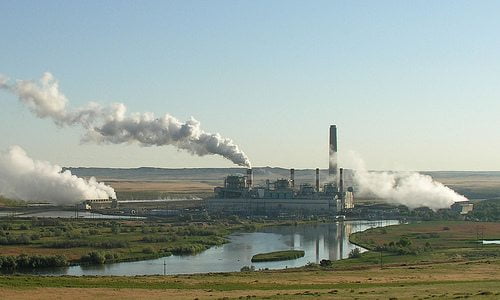
Photo: Greg Goebel via Flickr

Further reading:
US firm launches $100m green bonds for low-carbon investment
Low-carbon technologies and social impact both investment trends to watch
Carbon Tracker launches new tool to manage carbon investment risks
Asia Climate Partners in $400m low carbon investment venture
UK calls for changes to EU emissions system to boost low carbon investment
How we put this together

- Published
- Sources
- Primary reporting
- Standards
- About
Keep moving along the spectrum
The same desk, then neighbouring desks along the brand spectrum.





