News
Collisions Involving Sudden Door Openings from Parallel-Parked Cars

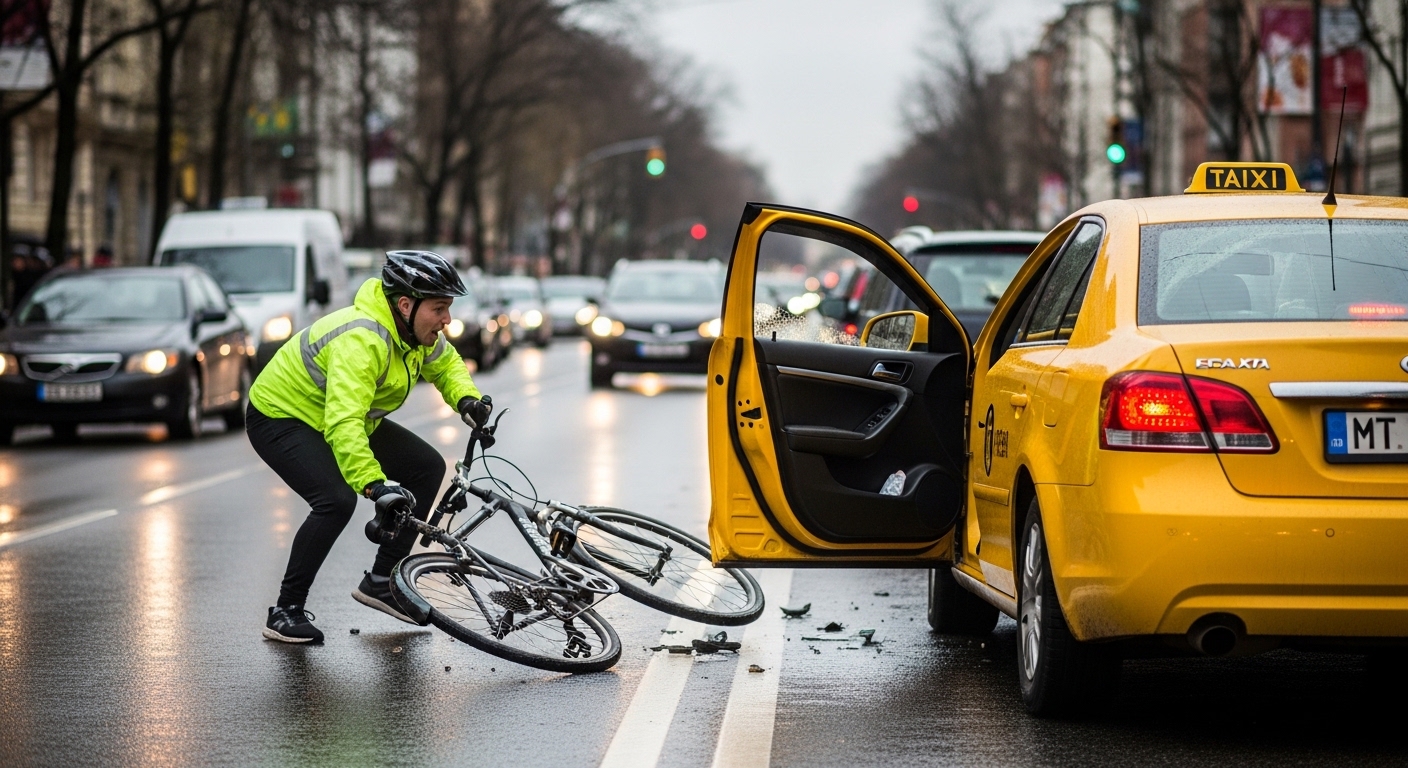
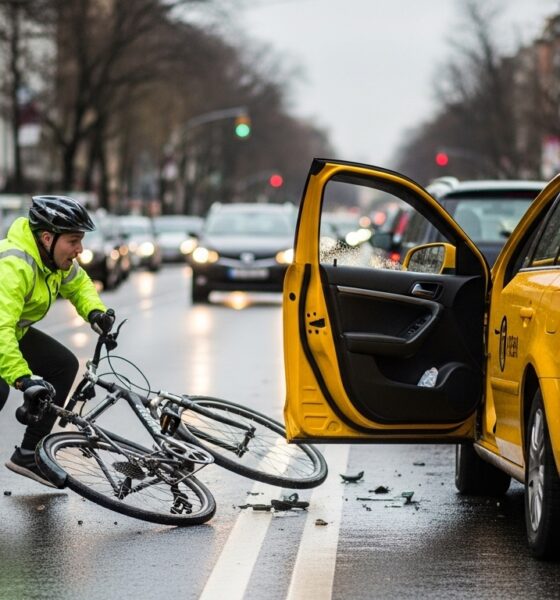
In busy cities and older neighborhoods where curbside parking is the norm, drivers often become used to navigating narrow lanes lined with parked vehicles. But one small, sudden action can turn a routine drive into a dangerous collision: someone opening a car door directly into traffic. These incidents, commonly referred to as “dooring” accidents, create tricky disputes between drivers and parked car owners. Determining who is responsible isn’t always as simple as it might seem, and the aftermath can involve insurance claims, injury disputes, and legal questions.
Although dooring accidents are frequently associated with cyclists, they can also involve passing vehicles, especially on streets where traffic moves close to parked cars. When a door swings open unexpectedly, drivers may have little time to react, and the resulting crash can cause property damage, injuries, or even chain-reaction collisions.
How Dooring Accidents Happen
Most dooring accidents occur when a driver or passenger exits a parked car without checking for approaching traffic. On streets with parallel parking, vehicles traveling in the nearest lane often pass within a few feet of parked cars. If someone inside a parked vehicle opens a door suddenly, the door can block the lane almost instantly.
In some cases, the passing driver hits the door directly. In others, the driver swerves to avoid the door and ends up hitting another vehicle, a cyclist, or a curb. Even at relatively low speeds, the force of the collision can cause injuries such as whiplash, head trauma, or broken bones.
The risk tends to increase in crowded urban areas where parking turnover is high and drivers are constantly entering and exiting their vehicles. Rideshare activity, food delivery drivers, and passengers unfamiliar with city traffic patterns can also contribute to the problem.
Why Liability Isn’t Always Clear
At first glance, it might seem obvious that the person who opened the door should be responsible for the accident. In many situations, traffic laws do require drivers and passengers to check for oncoming traffic before opening a vehicle door into the roadway. However, determining liability can become complicated once insurance companies and legal standards come into play.
For example, an insurance company may argue that the passing driver was traveling too close to parked cars or driving at an unsafe speed for the conditions. If there is evidence suggesting the driver could have avoided the door or maintained a safer distance, fault might be shared between both parties.
Comparative negligence laws in many states allow responsibility to be divided between multiple parties. This means the parked car occupant who opened the door could bear most of the fault, but the driver who struck the door might still be assigned a percentage of liability if their driving contributed to the crash.
The details of the situation often matter greatly. Factors such as visibility, traffic congestion, and the amount of time the door was open before impact can all influence how liability is determined.
Common Injuries from Dooring Collisions
Even though these accidents often occur at lower speeds than highway crashes, the injuries involved can still be significant. When a moving vehicle strikes a solid object like a car door, the abrupt stop can create a strong jolt.
Drivers may experience neck and back injuries from the sudden deceleration. Airbags can deploy if the impact is forceful enough, which sometimes leads to additional injuries such as bruising or burns. Passengers in the moving vehicle can also suffer injuries depending on the severity of the collision.
Another danger arises when a driver swerves suddenly to avoid the door. In those situations, the resulting crash can involve other moving vehicles or roadside obstacles, increasing the likelihood of more serious harm.
Medical treatment following a dooring accident may involve emergency care, diagnostic imaging, physical therapy, or long-term pain management. These costs can quickly add up, which is one reason disputes over liability become so important.
Evidence That Can Shape the Case
Because dooring accidents often happen quickly and without witnesses, gathering evidence can be crucial for determining what actually occurred. Photos of the scene, damage to the vehicles, and the position of the car door can all provide clues about the timing and circumstances of the collision.
Dashcam footage has become particularly valuable in these cases. A camera recording the road ahead can show whether the door opened suddenly or had already been open for several seconds before the crash occurred. That difference can significantly affect how responsibility is assigned.
Police reports may also document statements from the people involved and note whether any traffic laws appear to have been violated. Witness accounts from pedestrians or nearby drivers can further help clarify the sequence of events.
Insurance adjusters and attorneys often review all of this evidence when determining how the claim should be handled.
Insurance and Legal Challenges
Insurance claims related to dooring accidents sometimes turn into complicated negotiations. The driver who struck the door may file a claim against the parked vehicle’s insurance policy, while their own insurance company might also become involved depending on the coverage available.
In some cases, the parked vehicle owner might argue that the driver should have been more cautious when traveling near parked cars. Meanwhile, the driver may insist that the door was opened without warning and that avoiding the collision was impossible.
These disagreements can delay settlements and make it harder for injured parties to recover compensation for medical bills, lost wages, and other damages. When injuries are serious or fault is heavily disputed, legal guidance may become necessary. Someone dealing with the aftermath of a crash might eventually speak with a personal injury lawyer Newark residents trust to better understand their options and how liability laws apply to their situation.
Preventing Dooring Accidents
Although they can happen suddenly, many dooring accidents are preventable. One widely promoted safety habit is the “Dutch Reach,” a method of opening a car door using the hand farthest from the handle. This movement naturally forces the person to turn their body and look over their shoulder for approaching traffic before opening the door.
Drivers passing rows of parked cars can also reduce risk by slowing down and leaving extra space when possible. Being alert for signs of activity inside parked vehicles—such as brake lights, movement, or recently parked cars—can provide early warning that someone may be about to exit.
Cities have also started implementing infrastructure changes to reduce the risk of dooring accidents. Protected bike lanes, wider traffic lanes, and improved parking layouts can create more space between moving traffic and parked vehicles.
A Small Action With Big Consequences
Opening a car door may seem like a simple, routine action, but in the context of busy streets and moving traffic, it carries real responsibility. A single moment of inattention can lead to a collision that causes injuries, vehicle damage, and complex disputes over who is at fault.
Dooring accidents highlight how small actions on the road can have significant consequences. By staying aware of traffic conditions—both as a driver and as someone exiting a parked car—many of these incidents can be avoided before they happen.







The Human Primary Cells Behind Toxicology and Chemical-Safety Research

How Sustainable Business Has Changed in the Last Five Years: An Interview with Noa Shtang

The Green Traveler’s Guide to Bali Snorkeling and Diving – Low-Impact Ways to See the Reef

Why Eco-Tourists Choose the Liveaboard in Komodo

Eating Out Abroad? ePOS Systems Are Quietly Cutting Food Waste

PMS for Hotels Explained – The Hidden Software Making Your Stay Greener

The Eco-Case for a Liveaboard – Why the Greenest Way to See a Reef Might Be a Boat

Future-Proofing the Sustainable Workplace: Integrating Solar PV and Smart EV Infrastructure

Why Outdoor Offices Are the Future of Sustainable Work

How Eco-Conscious People Can Find Careers in Healthcare

 Features11 months ago
Top Agricultural Stocks to Watch
- Sustainability11 months ago
Sustainable Travel in Christchurch: A Greener Way to Explore
- Features11 months ago
Staying Healthy on the Road: Eco-Conscious Habits for Global Travelers
- Economy10 months ago
Repairing vs. Recycling: Why Fixing Delivers Bigger Gains