Tar sands pollutants ‘greatly underestimated’, says study

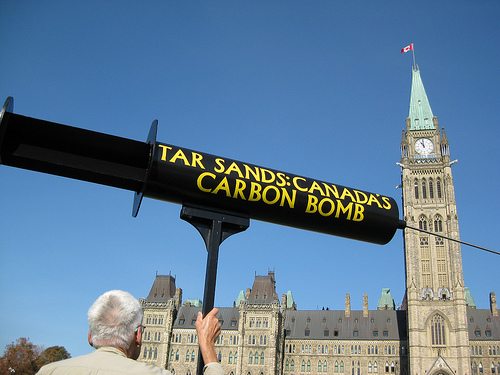
Air pollutants from oil sands in Canada are “highly carcinogenic” and their effects on human health have been so far taken too lightly, according to researchers from the University of Toronto.
Scientists have assessed the emissions of pollutants called polycyclic aromatic hydrocarbons (PAHs) in the Athabasca region in Alberta.
“When dealing with chemicals that have such great potential to harm people and animals, it is absolutely vital that we truly understand how, and how much they are being released into the environment”, said lead author Abha Parajulee.
Initial assessments of PAHs directly released in the atmosphere have been said to fall within acceptable regulatory levels. However, the study, published in the Proceedings of the National Academy of Science, says previous research failed to assess how pollutants can enter the atmosphere in other ways, such as from transport or evaporation from tailing ponds.
“Tailing ponds are not the end of the journey for the pollutants they contain. PAHs are highly volatile, meaning they escape into the air much more than many people think”, Parajulee said.
Tar sands development in Alberta has been criticised by campaigners and indigenous groups because it is much more carbon intensive than traditional oil extraction. It is said to be linked to a variety health issues. Canadian-born musician Neil Young recently spoke out against tar sands, calling them “greedy and destructive”.
In January, a study revealed that Alberta’s oil sands were surrounded by an area of 7,500 sq miles, which shows levels of mercury 16 times higher than normal. Mercury is a neurotoxic substance that can damage brain, kidneys and lungs.
Further reading:
Aiming for tar sands oil is greedy and destructive, Neil Young tells Canadian PM
Mercury levels at Canadian tar sands sites 16 times higher than normal
Tar sands activists embark on ‘healing walk’ to mend the environment
How we put this together

- Published
- Sources
- Primary reporting
- Standards
- About
Keep moving along the spectrum
The same desk, then neighbouring desks along the brand spectrum.





