Current renewables won’t solve climate crisis, say Google engineers

Share
Today’s renewable technologies alone will not be able to cut greenhouse gas emissions enough to halt climate change, Ross Koningstein and David Fork, both engineers at Google, have commented.
In an article written by the two engineers for IEEE Spectrum they note that climate scientists have “definitively” shown that the build up of carbon dioxide in the atmosphere poses a looming danger and threatens to take “a terrible toll on civilisation over the next century”. In order to cut emissions targeting the energy sector seems like a good step.
An initiative from Google known as RE<C was launched in 2007 and aimed to develop renewable energy sources that would generate electricity that could compete on price with coal-fired power plants. However, in 2011 the project was shut down because it was not on track to meet its target.
Koningstein and Fork then assessed what assumptions were made and why the project failed. They conclude that today’s renewable technologies can’t provide power that is both distributed and ‘dispatchable’, for example solar panels can not provide energy if the sun isn’t shining, and as a result can’t compete with fossil fuels.
In the article Koningstein and Fork state, “As we reflected on the project, we came to the conclusion that even if Google and others had led the way towards a wholesale adoption of renewable energy, that switch would not have resulted in significant reductions of carbon dioxide emissions.
“Trying to combat climate change exclusively with today’s renewable energy technologies simply wont work; we need a fundamentally different approach.”
They continue to argue that a different approach for research and development is needed that allows a set amount of resources to be dedicated to ideas that “may seem crazy but might have a huge impact”. In order to find a solution scientists and engineers need to be able to test new ideas, fail quickly, and share what they learn, Fork and Koningstein explain.
The authors added, “To reverse climate change, our society requires something beyond today’s renewable energy technologies. Fortunately, new discoveries are changing the way we think about physics, nanotechnology, and biology all the time.
“While humanity is currently on a trajectory to severe climate change, this disaster can be averted if researchers aim for goals that seem nearly impossible.”
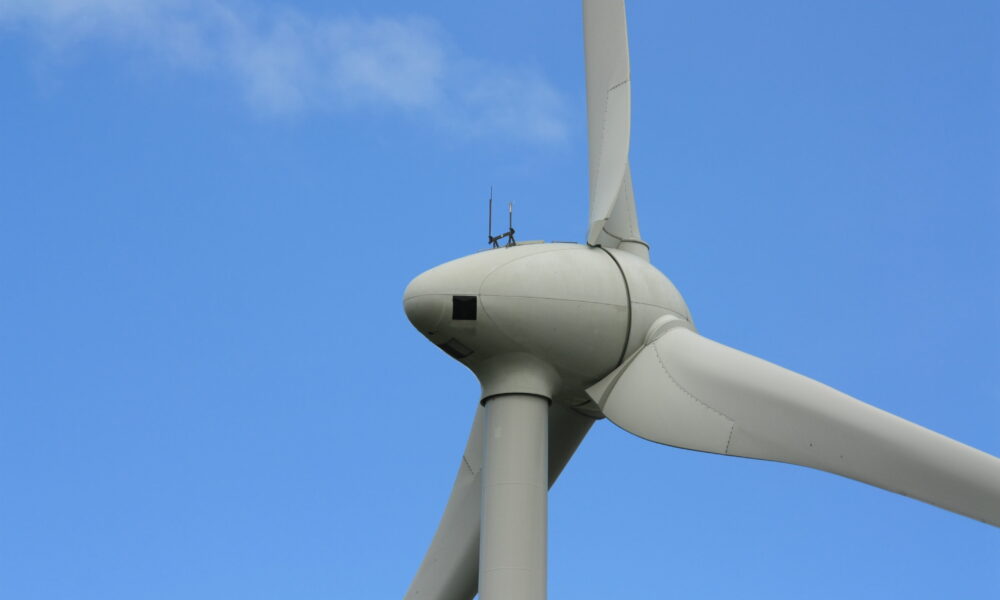
Photo: Colin Brough via Freeimages

Further reading:
Greg Barker: UK renewables ‘extremely attractive’ for investors
Renewable energy investment key to sub-Saharan Africa’s prosperity
Investments in renewables must increase, warns UN
Stronger EU renewable energy targets could rid need for subsidies
How we put this together

- Published
- Sources
- Primary reporting
- Standards
- About
Keep moving along the spectrum
The same desk, then neighbouring desks along the brand spectrum.





